When it comes to gaming, every small advantage matters. Players often focus on graphics cards, monitors, and mice, but the keyboard is just as important. The type of keyboard you use can directly affect response time, comfort, and overall gameplay experience.
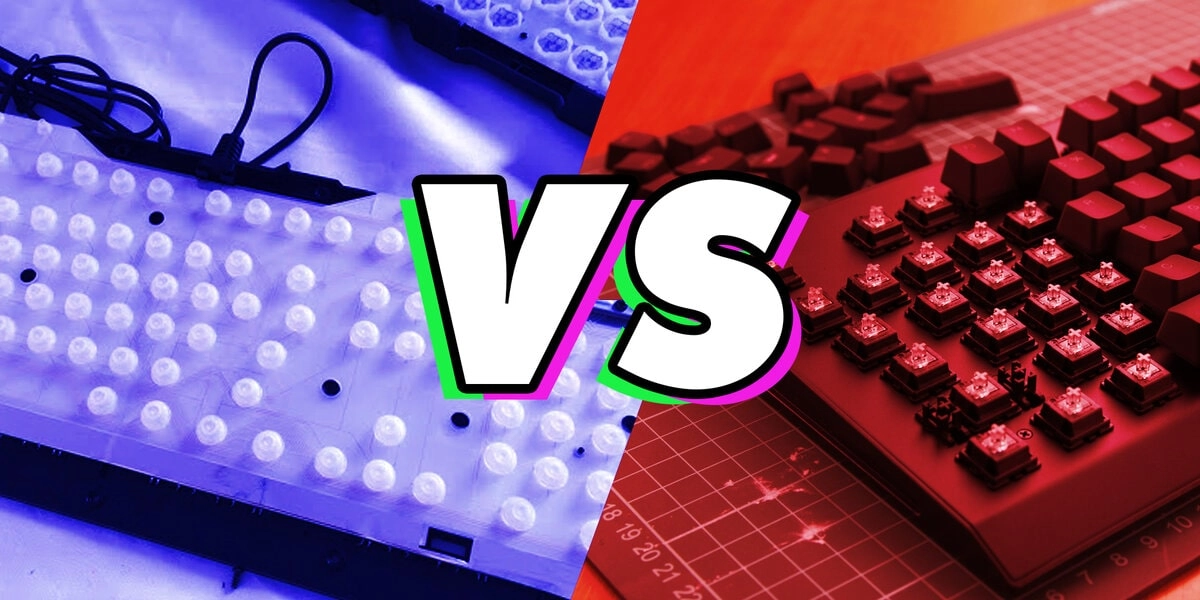
Two of the most common options available today are mechanical keyboards and membrane keyboards. Both have their own strengths and weaknesses, and choosing the right one depends on your gaming style, preferences, and budget.
In this article, we’ll break down the key differences between mechanical and membrane keyboards and help you decide which is the better option for gaming.
Understanding Mechanical Keyboards
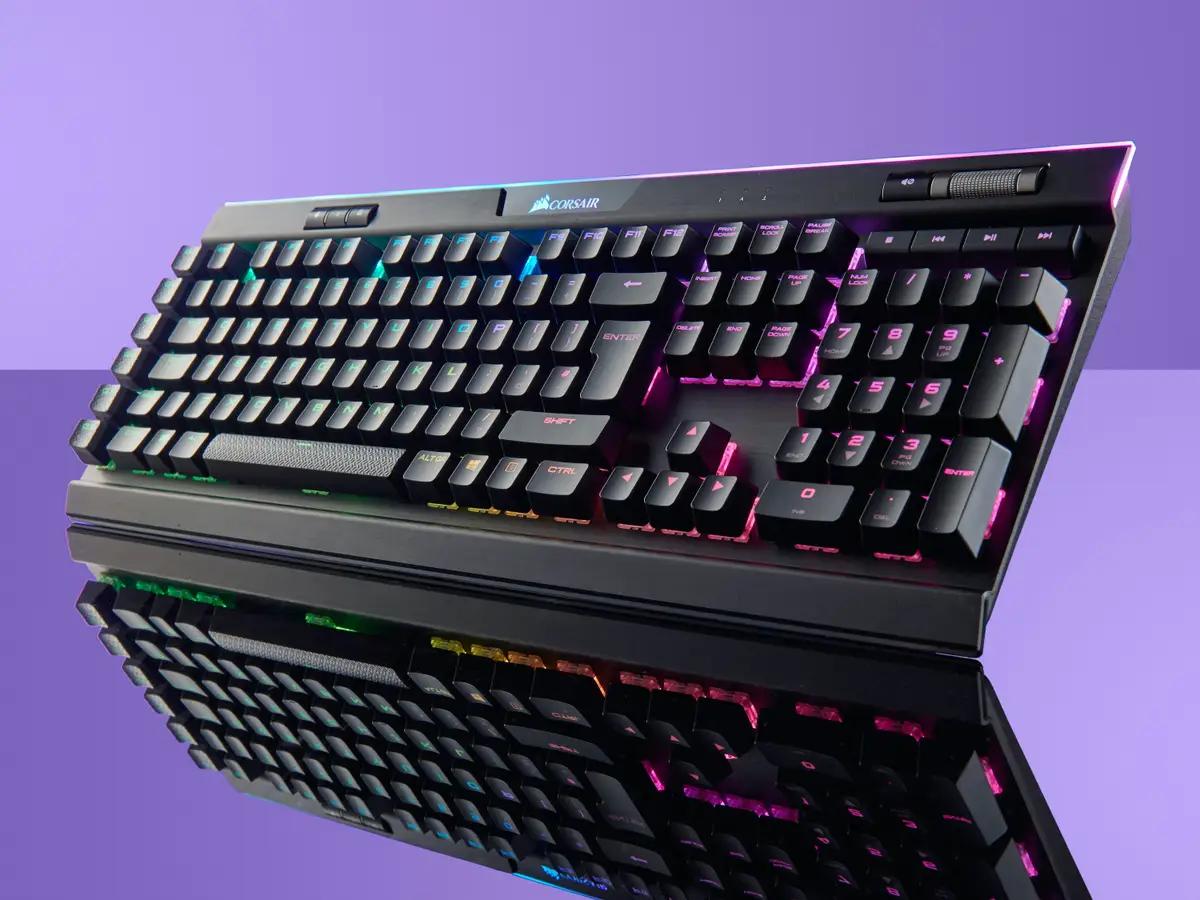

Mechanical keyboards use individual mechanical switches under each key. Every key has its own mechanism that registers input when pressed.
These switches are designed to provide a distinct tactile feel and quick response, which is why many competitive gamers prefer them.
Key Features of Mechanical Keyboards
- Faster Response Time
Mechanical switches activate before the key is fully pressed, allowing faster inputs during intense gameplay. - Better Tactile Feedback
Most mechanical switches provide a noticeable “bump” or click, making it easier to feel when a key has been registered. - Higher Durability
Mechanical keyboards are built to last. Many switches are rated for 50–100 million keystrokes, which makes them extremely reliable for long-term use. - Customization Options
Mechanical keyboards often support different switch types, RGB lighting, programmable keys, and replaceable keycaps.
Because of these advantages, many esports players and serious gamers lean toward mechanical keyboards.
Understanding Membrane Keyboards
Membrane keyboards use a pressure pad system instead of individual switches. When a key is pressed, the membrane layer underneath makes contact with a circuit to register the input.
These keyboards are very common because they are cheaper and quieter than mechanical models.
Key Features of Membrane Keyboards
- Affordable Pricing
Membrane keyboards are significantly cheaper, making them a popular choice for casual gamers or beginners. - Quiet Typing Experience
Since there are no mechanical switches, membrane keyboards are much quieter. - Lightweight Design
They are usually thinner and lighter compared to mechanical keyboards.
However, membrane keyboards typically have shorter lifespans and less precise feedback, which can impact competitive gameplay.
Mechanical vs Membrane Keyboards: Key Differences
| Feature | Mechanical Keyboard | Membrane Keyboard |
| Key Mechanism | Individual mechanical switches | Rubber membrane layer |
| Response Time | Faster | Slightly slower |
| Durability | 50–100 million keystrokes | 5–10 million keystrokes |
| Typing Feel | Tactile and precise | Soft and mushy |
| Noise Level | Louder | Quiet |
| Price | More expensive | Budget-friendly |
As many gaming hardware discussions highlighted on gizmocrunch.com explain, the decision between these two keyboard types often comes down to performance needs versus budget considerations.
Which Keyboard Is Better for Gaming?

Mechanical Keyboards for Competitive Gaming
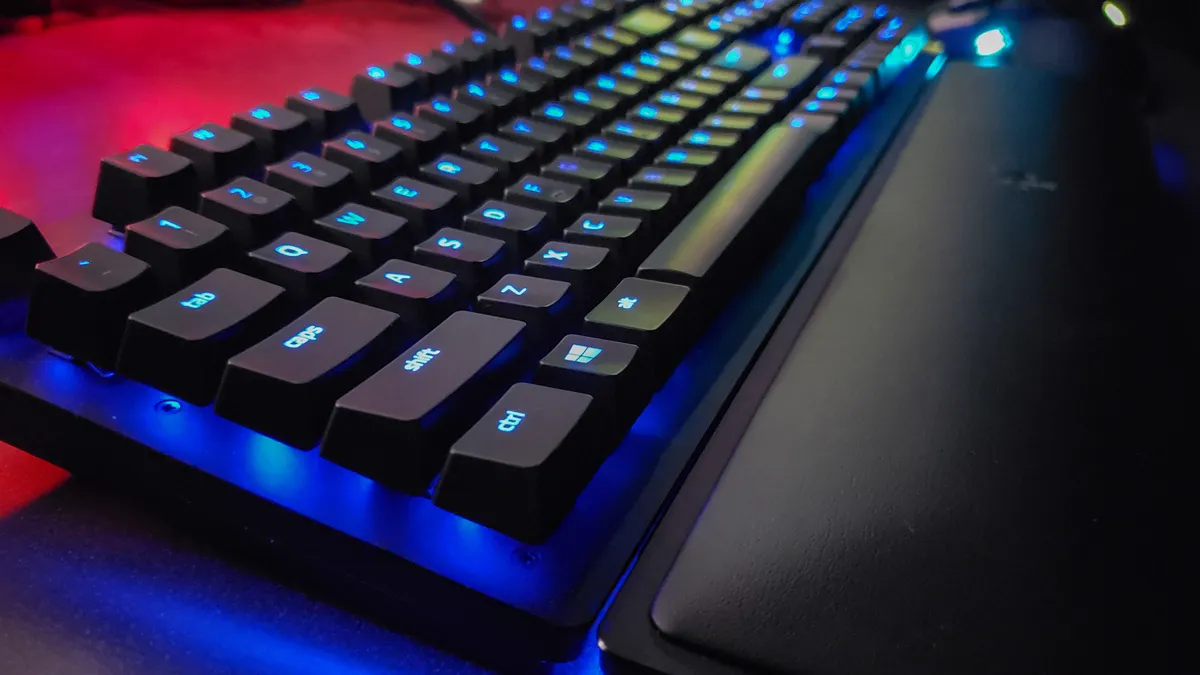
Mechanical keyboards are generally considered the better option for serious gaming. The faster actuation, consistent feedback, and durability provide advantages in fast-paced games such as shooters, MOBAs, and battle royales.
Players who spend hours gaming will also appreciate the improved typing comfort and reduced fatigue.
Membrane Keyboards for Casual Gaming
Membrane keyboards can still work well for casual gamers who play occasionally or prefer a quieter setup.
If you mainly play single-player games or don’t require extremely fast inputs, a membrane keyboard can be a practical and budget-friendly option.
Pros and Cons of Mechanical Keyboards
Pros
- Fast response time
- Excellent tactile feedback
- Long lifespan
- Highly customizable
Cons
- Higher price
- Louder typing sound
- Slightly heavier design
Pros and Cons of Membrane Keyboards
Pros
- Affordable
- Quiet operation
- Lightweight and compact
Cons
- Shorter lifespan
- Less precise input feedback
- Limited customization options
Final Thoughts
Both mechanical and membrane keyboards have their place in gaming setups. Mechanical keyboards deliver speed, precision, and durability, making them the preferred choice for competitive players. Membrane keyboards, on the other hand, provide a quieter and more affordable alternative for casual gamers.
Ultimately, the best keyboard for gaming depends on your priorities. If you value performance and long-term reliability, a mechanical keyboard is worth the investment. If you’re looking for something simple and budget-friendly, a membrane keyboard can still get the job done effectively.