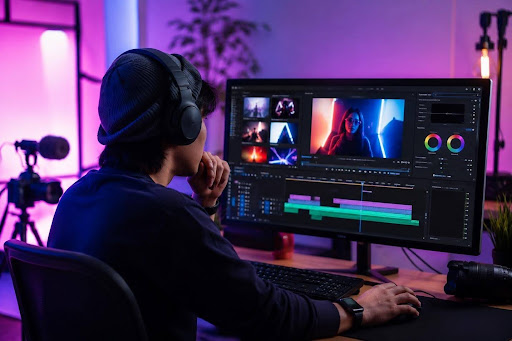
Online entertainment used to demand a bigger team, more time, and usually more money than many creators could afford. A video needed editing. A thumbnail had to be designed. Captions had to be written. Audio needed cleaning.
Short clips had to be cut for different platforms. Even a simple upload could involve a long list of small tasks before it was ready for viewers.
That is one reason AI tools have caught on so quickly. They are not replacing creativity, but they are changing the production rhythm around it. A solo creator can now do work that once needed several people, or at least many more hours.
Creators are spending less time on repetitive work

A lot of online entertainment is built on momentum. Someone running a YouTube channel, a streaming page, a fan account, or a short-form video brand has to keep posting without burning out. That is where AI tools are proving useful.
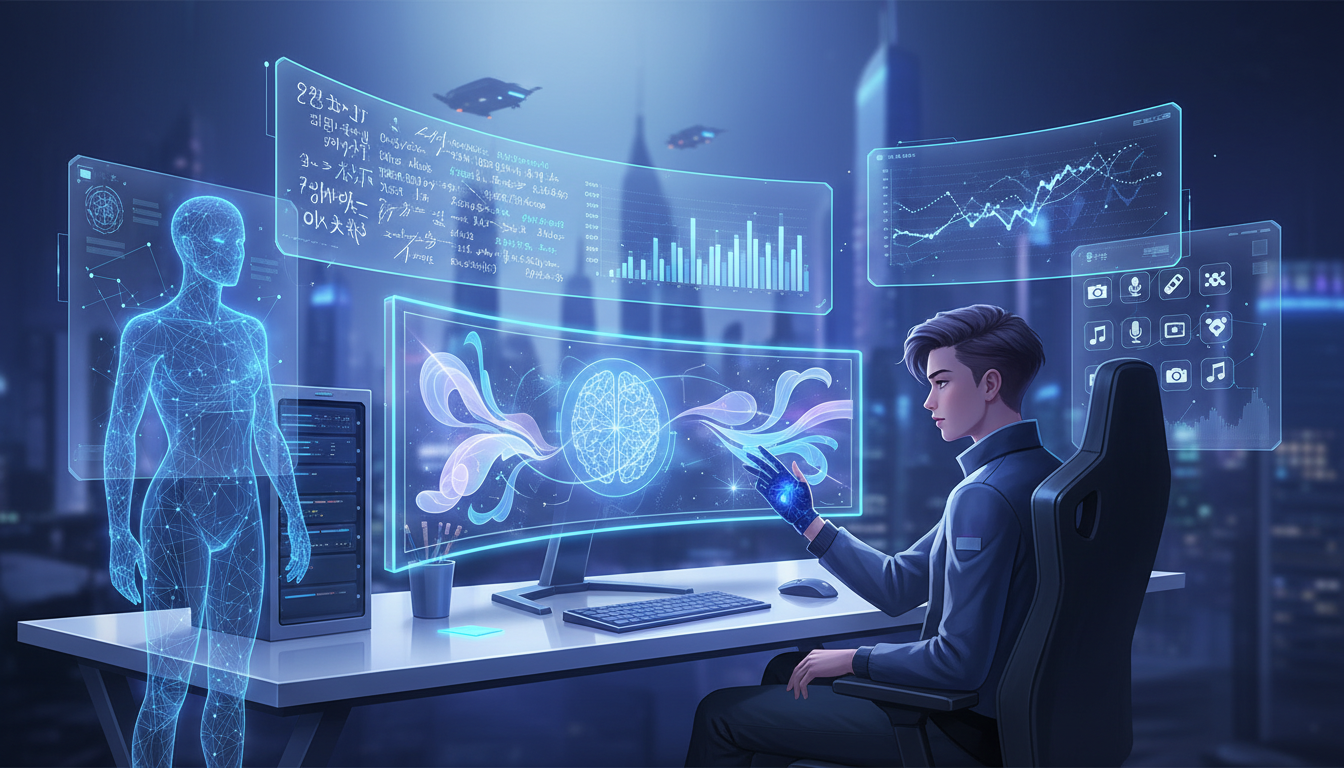
They help with transcription, idea generation, subtitle creation, background cleanup, quick edits, voice isolation, script assistance, and even rough visual planning.
For many creators, the real benefit is not magic. It is speed.
A creator who records a reaction video, gaming clip, recap, or commentary piece can move from raw footage to a usable draft much faster than before. That extra time can then go into the part audiences actually notice, which is personality, timing, delivery, and originality.
The same people who rely on digital tools for editing, publishing, communication, and file management often compare other tools that support their online setup. For example, if they are working across Apple devices or moving between networks, you can download PIA for Mac on their official site while reviewing tools that fit a broader content workflow.
The bigger change, though, is that AI is helping creators stay consistent without making every upload feel like a marathon.
AI helps at the rough-draft stage
One useful way to understand these tools is to see them as assistants for the messy middle of content production. A creator may already know what they want to say, but getting from an idea to a polished video or post can take time. AI helps bridge that gap.
A title generator can spark better packaging. A transcription tool can save a lot of manual work. A script assistant can help organize talking points. A video tool can find silent gaps, remove filler words, or identify sections worth clipping for Shorts, Reels, or TikTok.
None of that guarantees good content. It just makes production less heavy.
A thoughtful piece on AI entertainment touches on how these tools are changing both creation and consumption. That shift is already obvious on platforms where speed matters. The creators who can publish more efficiently often get more chances to test ideas, spot trends, and stay visible.
Smaller creators can now do more
This matters even more for independent creators who do not have managers, editors, researchers, or social media teams. AI has lowered the friction around production. Someone working alone can now clean audio, draft captions, generate content ideas, and repurpose long videos into shorter clips with much less manual effort.
That changes the playing field. Bigger creators still have advantages, of course, but the gap between a one-person operation and a small media team is not as wide as it once was.
In practical terms, that means more people can compete on consistency, not just on resources.
The human part still decides what works
For all the hype around AI, audiences still respond to human judgment. A tool can suggest a thumbnail idea, but it cannot fully replace taste. It can summarize a topic, but it does not automatically make the summary interesting. It can clean a transcript, but it does not know what makes a joke land or a story feel personal.
That is why the best creators are not handing everything over. They are using AI to remove friction while keeping control over tone, timing, and point of view.
And that may be the clearest sign of where things are heading. AI is not making entertainment content less human. In many cases, it is simply taking some of the repetitive strain out of production so creators can focus more on what only they can bring.
Online entertainment moves fast. AI tools are helping creators keep up with that pace, but the ones who stand out will still be the people who know how to turn efficiency into something worth watching.