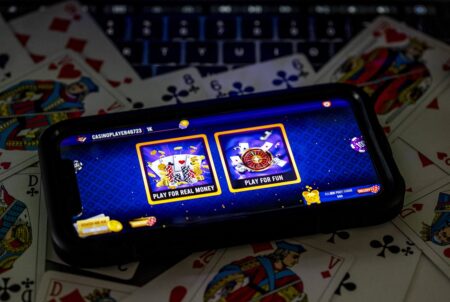
The word “metaverse” promises an infinite floor, rooms without walls, and three-dimensional jackpots. The question isn’t whether technology can simulate a casino — it already can.
The real question is simple: will it deliver an experience compelling, regulated, and convenient enough to shift decades-old gambling habits into a persistent virtual world?
Comparing today’s standards helps keep expectations grounded. Online Casinos allow players to sort existing operators by license, payment methods, withdrawal times, and responsible gaming tools. That’s the baseline. If the metaverse wants to take over, it must outperform that baseline — not just look “prettier.”

A Virtual Casino Is Not Just a Multiplayer Game
A casino is a multilayered system: compliance (KYC, anti-money laundering, georestrictions), payments, certified randomness, customer support, and finally entertainment. The metaverse adds an immersion layer (3D, avatars, spatial audio) and a richer social layer (private lounges, live events, integrated shows). Is that enough to “replace” anything? Not so fast.
The strengths are obvious: shared presence, a genuine sense of “being there,” live tables with a virtual audience, dealers captured in volumetric 3D, mini-games around the tables, real-time challenges. Bridges to retail venues could also appear: VIP tickets that unlock real-world concerts, hybrid tournaments, loyalty programs blending virtual points with physical perks.
UX Improves, Hardware Slows It Down
You don’t need a headset to access a virtual world: most experiences already work on browsers and mobile devices. Headsets enhance immersion but introduce friction — cost, comfort, battery life, motion sickness. Until headsets become as common as earbuds, mass adoption will stay on flat screens. Yet a metaverse experienced in 2D loses part of its magic. A curious paradox.
Another limitation: latency. Live table games don’t tolerate hiccups; a missed bet due to bad connection ruins the session. Operators will need servers closer to players, optimized streaming, and backup flows (e.g., switching to automatic betting if spatial voice fails).
Payments and Ownership: Crypto, Fiat… or Both?
The metaverse loves talking about tokens, wallets, and digital assets. For gambling, the priority remains withdrawal speed and traceability.
A viable model will need to combine crypto rails (fluidity, micro-transactions, asset ownership) with fiat rails (stability, banking coverage, fraud prevention). The best flows will put KYC upfront, minimize fees, and eliminate “reverse withdrawals” that encourage cancelling cashouts.
Asset ownership opens interesting paths: table cards, VIP seats, or slot machine skins owned by players and rentable for events. Good for engagement — as long as their value doesn’t depend on volatile speculation.
Regulation: The Real Deal-Breaker
Regulators already demand strict guarantees from online casinos: certified RNG, protection of minors, addiction prevention, fund segregation, responsible advertising. A 3D environment complicates all of this — avatar identity verification, digital borders, private rooms.
If the metaverse wants to be more than an arcade, it must offer reinforced controls: deposit and loss limits, session reminders, cross-world self-exclusion, and clear visibility of probabilities and RTP within the interface.
Signs of reliability will look familiar: a visible, verifiable license, independent audits, clear data policies, reachable human customer support, and an activity log accessible to the player.
The Human Factor 3D Can’t Replace
Why do players still travel across continents for a physical casino? Atmosphere, hospitality, fine dining, shows, conventions, the ritual of placing a bet around a real table.
The metaverse can copy the form — not the smell, not the champagne glass, not a 2 a.m. terrace breeze. Physical casinos keep sensory and social advantages technology struggles to match.
A Hybrid Future, Not a Replacement
The most realistic trajectory: coexistence.
The metaverse will host massive tournaments, cross-brand events, and “parties” where thousands of players share a show and mini-games. Physical casinos will remain destinations. Classic online platforms will remain the everyday backbone: fast, accessible, headset-free.
Smart operators will connect all three worlds: unified points, shared inventories, cross-platform status. Win a ticket on mobile, redeem it in the physical venue, unlock a skin for a weekend virtual tournament — coherent, natural, measurable.
Responsible Gaming by Design
Replacement isn’t the real issue — protection is. In an immersive environment, time disappears even faster. Safeguards must be visible and persistent: on-screen timers, clear loss limits, forced breaks after X minutes, simple setup during registration, mandatory delays for raising limits.
Quality also shows in the tone of incentives: no pushes to cancel withdrawals, no bonuses forcing marathon sessions, wagering information visible at a glance.
What to Look For Today?
- Transparency: clickable license, RNG audits, bonus rules summarized in the interface.
- Payments: withdrawal times by method, disclosed fees, KYC upfront.
- Tech: stable streaming, low latency, multi-device accessibility.
- Social: anti-toxicity tools, visible moderation, controlled private rooms.
- Controls: limits, time-outs, cross-platform self-exclusion.
Verdict
The metaverse won’t extinguish traditional casinos. It will add a new stage — more spectacular, more flexible, sometimes more inclusive. Physical venues will keep their aura.
Online platforms will remain the daily standard. The defining factors everywhere will be three words: trust, clarity, control. Operators who align these fundamentals, then layer immersion and events on top, will win market share — without promising the end of everything else.