PTZ cameras are only as good as the control behind them. Smooth, confident camera moves are what separate a polished production from a shaky one, and that precision is hard to achieve with a mouse or a basic handheld remote.
A dedicated hardware controller gives operators tactile command over every movement, turning a capable camera into a genuinely professional tool.
What a Joystick Controller Does?
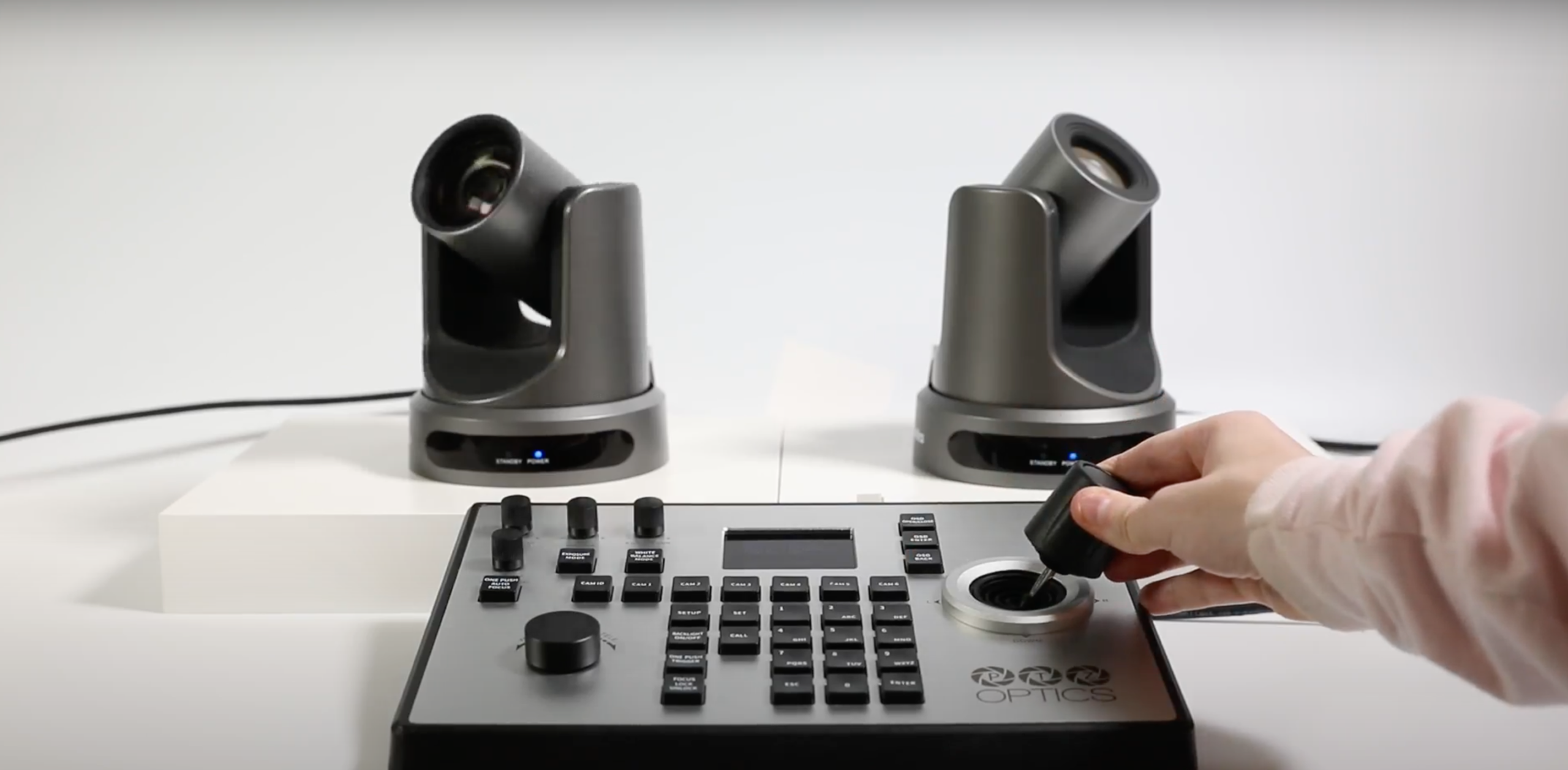
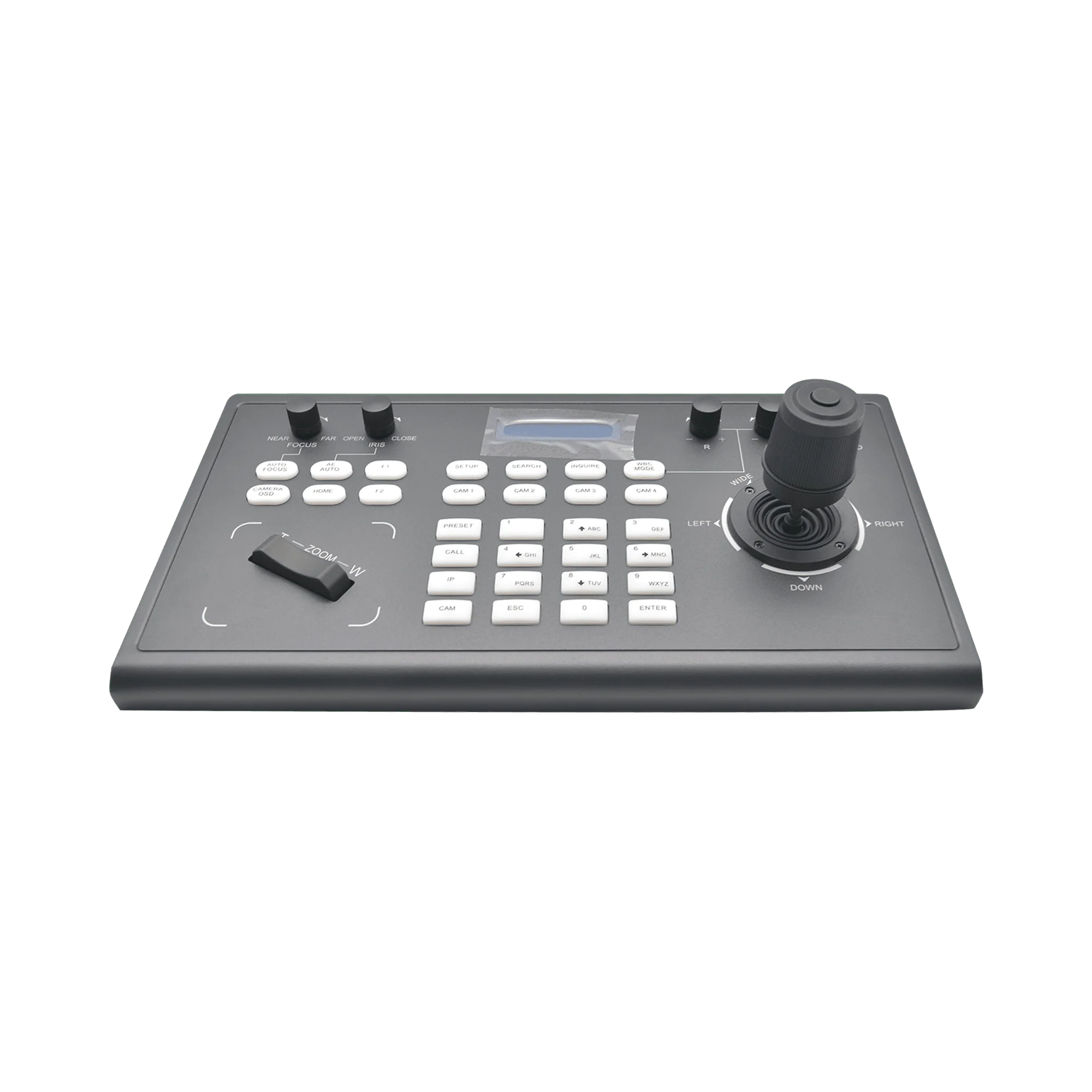
A ptz joystick controller provides precise pan, tilt, zoom, and preset control from a single device. Instead of clicking through software menus, an operator guides the camera with a physical joystick and recalls saved positions at the press of a button. One unit can often manage several cameras at once, making it the command center of a live setup.
The tactile connection is the point. A weighted joystick lets an operator ease into a move and stop it cleanly, producing the kind of smooth motion that on-screen sliders and arrow keys simply cannot match.
The Benefits Over Software-Only Control
Hardware control changes how a production feels to run. Compared with mouse-driven or basic remote operation, a joystick controller delivers:
- Smoother, more natural camera movements on air
- Faster switching between saved presets
- Centralized management of one or many cameras
- Improved production quality and on-screen consistency
- Greater operational efficiency during live events
Where a Dedicated Controller Matters Most?
Any environment that relies on live, repeatable camera work benefits from tactile control, especially when a single operator has to manage several angles under time pressure. Common examples include:
- Broadcast studios and live event venues
- Conference rooms and corporate AV spaces
- Educational facilities and lecture capture
- Houses of worship and hybrid meeting environments
- Government installations with fixed camera positions
How to Choose the Right One?
Before buying, confirm the controller fits your cameras and workflow by checking camera compatibility, supported control protocols, the number of cameras it can drive, connectivity options, programmable functions, and room to scale.
A controller that supports more cameras than you run today leaves space to expand without replacing hardware later.
Match those details to your setup and the controller becomes a lasting part of your production toolkit, quietly raising the quality of every event you cover.