

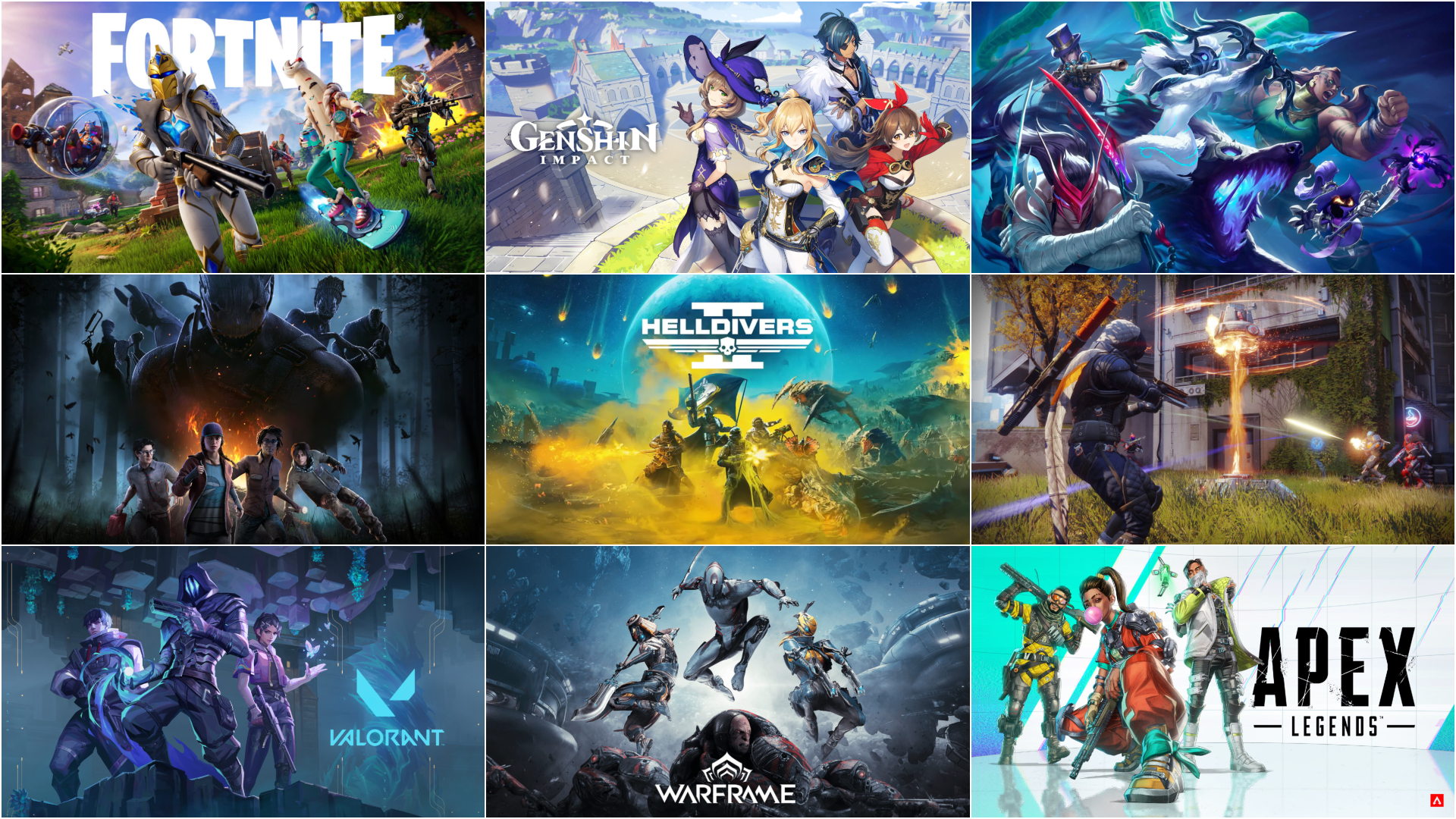
Live service games have fundamentally reshaped the gaming landscape. Where players once bought games, finished them, and moved on, millions now invest years into single titles that evolve continuously.
Fortnite, Destiny 2, Genshin Impact, and countless others keep players engaged through regular updates, seasonal content, and ever-expanding worlds.
This shift from products to services represents one of gaming’s most significant transformations, creating experiences that grow richer over time rather than remaining static.
The Content Treadmill That Works
Traditional games offer fixed content. You get everything the developers created at launch, experience it at your own pace, and eventually exhaust the available material.
Live service games flip this model by delivering new content regularly—weekly events, monthly updates, quarterly expansions, and yearly overhauls keep the experience feeling fresh.
This constant evolution creates reasons to return. Maybe you took a break for a few months, but now there’s a new raid, a limited-time event, or a story chapter you haven’t experienced.
The fear of missing out drives engagement, but so does genuine curiosity about how the game has changed since you last played.
Seasonal structures formalize this rhythm. A new season brings new rewards, challenges, and cosmetics available only during that specific window. Players who want to collect everything must engage consistently throughout the season.
This creates predictable engagement patterns that benefit both players and developers—players know when to expect new content, and developers can plan resources accordingly.
Social Ecosystems Drive Retention
Live service games succeed or fail based on their social components. When your friends play daily, you’re more likely to log in too.
When your guild depends on you for weekly raids, missing sessions feels like letting people down. These social obligations sound negative but often represent the most meaningful aspects of the experience.
Shared experiences create memories that single-player games rarely match. Remember that time your raid team finally downed the boss after weeks of attempts? Or when everyone scrambled during that surprise limited-time event?
These moments happen because live service games create shared timelines where everyone experiences new content simultaneously.
The social aspect also extends to competition and comparison. Leaderboards, ranked modes, and visible progression systems let players measure themselves against others.
This drives improvement and engagement as players work to climb ranks or earn prestigious rewards that signal their dedication and skill.
Monetization Models That Sustain Development
Live service games require ongoing development funding, and various monetization approaches have emerged.
Free-to-play models with cosmetic microtransactions dominate the market, letting players access core content without upfront costs while supporting development through optional purchases.
Battle passes became the standard progression system, offering premium rewards to paying players while maintaining free tiers that keep non-paying audiences engaged.
This creates a middle ground between completely free-to-play and subscription models—players pay periodically for content they want rather than committing to permanent subscriptions.
The marketplace for in-game items has grown alongside live service games. Players who want specific cosmetics, weapons, or progression boosts can sometimes find them through official stores or third-party services.
Platforms like RPGstash offering in-game currency and items have become part of this ecosystem, giving players options to acquire what they need without extended grinding. This flexibility appeals to players who value their time and want to experience content without spending hundreds of hours on repetitive tasks.
The Progression Hook
Live service games master the art of making players feel like they’re always working toward something. Daily quests provide short-term goals.
Weekly challenges offer mid-range targets. Seasonal objectives create long-term aspirations. This layered progression ensures there’s always a next step, always something just within reach if you play a bit more.
Account progression systems compound this effect. Each season might reset some progression elements while maintaining permanent account improvements.
You’re simultaneously working on temporary seasonal goals and permanent account advancement, creating dual motivation streams that keep engagement high.
Leveling systems often feature no cap or regularly increasing caps with new content drops. This removes the traditional endpoint where players “finish” their character and have nothing left to pursue. There’s always a higher level, better gear, or new build to explore.
Developer-Player Dialogue
Successful live service games maintain active communication with their player bases. Developers share roadmaps detailing upcoming content, respond to community feedback, and adjust based on player sentiment. This creates a sense of collaboration where players feel heard and invested in the game’s direction.
Community feedback shapes game development in ways impossible with traditional release models. If players hate a particular mechanic, developers can adjust it in the next patch rather than waiting for a sequel years later.
If players love an event, it can return or become permanent. This responsiveness makes players feel like stakeholders rather than passive consumers.
Transparency about development challenges and successes builds goodwill. When developers explain why certain features take time or why specific balance changes were necessary, players generally respond with patience and understanding. This open relationship strengthens community bonds and increases tolerance for inevitable missteps.
The Fear of Missing Out Factor
Limited-time content creates urgency that traditional games can’t replicate. That exclusive skin available only this week, that event boss that disappears tomorrow, that seasonal storyline you’ll never experience if you skip this quarter—these create compelling reasons to play now rather than later.
Critics argue this manipulates player psychology in unhealthy ways, and there’s truth to that concern. But the same mechanics also create shared cultural moments.
When everyone’s talking about the big reveal in this season’s finale, being part of that conversation requires participation. The ephemeral nature of content makes it feel more valuable and memorable.
Smart developers balance exclusivity with accessibility. Truly exclusive items remain rare, but most content returns eventually or becomes available through alternate means. This prevents excessive FOMO while maintaining enough scarcity to drive engagement.
Evolving Narratives Keep Stories Alive
Live service games tell stories differently than traditional titles. Instead of experiencing a complete narrative arc in 30 hours, you watch stories unfold over months or years.
Characters develop, plots advance incrementally, and mysteries build slowly toward revelations that entire communities theorize about between content drops.
This serialized storytelling mirrors television more than traditional games. Each season acts like a TV season, with episodes releasing regularly and cliffhangers driving anticipation for what comes next. Players become invested not just in gameplay but in seeing how narrative threads resolve.
The ongoing nature also lets developers respond to narrative reception. If players love a character, that character gets more development.
If a story direction falls flat, future content can course-correct rather than being locked into decisions made years before release.
Player Investment Creates Loyalty
The more time and money you invest in a live service game, the harder it becomes to leave. Your collection of rare cosmetics, your high-level character, your guild relationships—these represent hundreds or thousands of hours of investment. Walking away means abandoning all that progress and those connections.
This sunk cost effect receives criticism when discussed negatively, but it also reflects genuine attachment to virtual worlds and communities.
Players stay because they’ve built something meaningful, not just because they feel trapped. The investment creates roots that make the game feel like home rather than just entertainment.
The Future of Live Service
Live service models will continue dominating major releases because they align developer sustainability with ongoing player engagement.
Rather than chasing perpetual sequel treadmills, studios can build one game and nurture it for years, developing deeper understanding of their communities and creating increasingly refined experiences.
The most successful future live service games will balance respect for player time with compelling reasons to return.
They’ll offer meaningful progression without requiring full-time dedication. They’ll create social experiences without mandatory participation. They’ll monetize fairly while delivering consistent value.
Live service games aren’t perfect, but they’ve proven that games can be living worlds that grow alongside their communities.
When done well, they create experiences and relationships that single-player titles, no matter how excellent, simply can’t match. That’s why players keep coming back.
