There was a time when the glow of an arcade cabinet felt like the best day ever. Coins in hand, eyes fixed, you’d wait your turn while the room hummed with sound. That feeling has of course not totally vanished!
Arcades are as alive as ever… but it has also undeniably shifted. Across the UK, the spirit of classic play has slipped into pockets and handbags.
The golden age of arcades
Did you know that for more than two centuries British arcades have now been sitting at the centre of seaside trips and high street wanderings, their doors open to anyone drawn in by flashing lights and looping soundtracks?
You’d find rows of cabinets offering everything from fast-paced shooters to puzzle games that demanded patience and timing. Each machine invited you in with bold colours and the promise of fun.
Arcades gave people a shared space in the form of a low-key social hub where strangers became temporary teammates or rivals.
For us Brits, these spaces became woven into everyday life, especially in coastal towns and city centres. Technology felt tangible and communal, celebrated in public. Less solitary pastime, more shared experience.
The shift to digital play
As we grew up, home technology improved as well. The pull of the arcade began to soften. Consoles and personal computers stepped in, offering experiences that no longer required a pocket full of change or a trip into town.
You could explore entire worlds from your sofa, save your progress, and return whenever you liked. Convenience started to outweigh the novelty of physical machines.
Developers adapted quickly, reworking familiar ideas for living rooms and home setups. The core appeal stayed intact (simple mechanics, rewarding loops), but the context changed. Gaming became more personal, more flexible.
Nostalgia played its part, too. Those early arcade experiences left a mark, and players carried that memory forward. Even as graphics improved and stories grew more complex, there was always space for something straightforward and satisfying, wasn’t it?
A new chapter
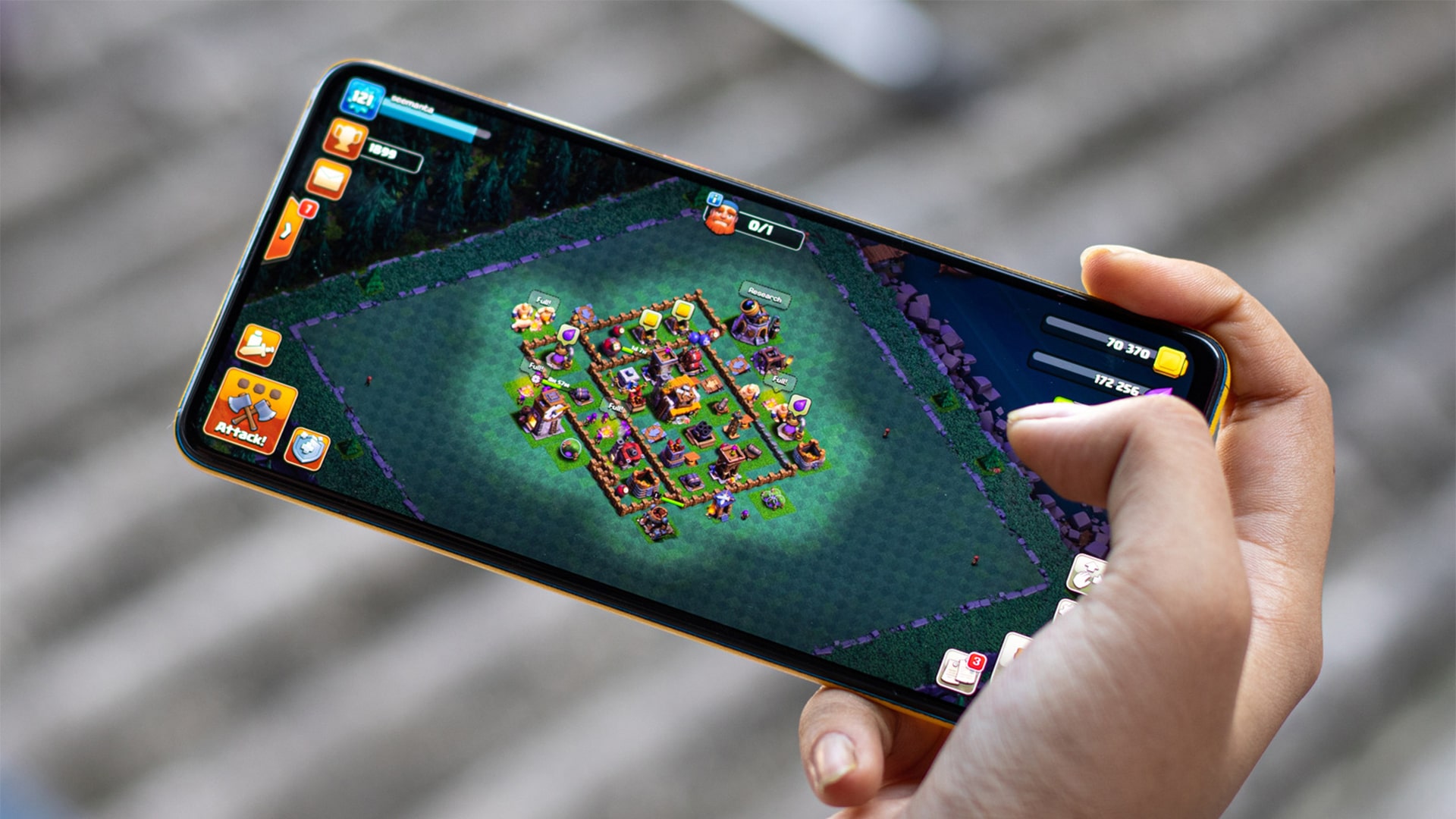
And today? Well, just scroll through your phone, and you’ll spot familiar ideas wearing a new coat. Match-three puzzles echo old tile games, endless runners borrow the rhythm of side-scrolling classics, and sleek remakes of arcade staples sit comfortably alongside them.
Even classic felt table games like blackjack have moved online. Touchscreens have changed how you interact, yet the core appeal remains recognisable: quick to learn, satisfying to repeat, easy to dip in and out of.
What stands out is how inclusive the format has become. Whether you’ve got years of gaming behind you or you’re just curious, mobile titles offer a low barrier to entry without losing the spark that made the originals compelling.


What’s next?
Look a little closer at current app trends, and you’ll notice it’s no longer just about playing, but how you connect while you play. Developers are experimenting with ways to bring that sense of presence back, even when you’re miles apart.
There’s also a push towards thoughtful and accessible design. Simplicity is very deliberate. Sometimes, a well-tuned loop and a clear goal are enough.
Technologically, there’s room to grow. Cloud features, cross-platform play, and subtle uses of augmented reality are starting to shape what feels possible, but the real focus remains grounded.
If anything, the next wave will lean even harder into that balance: familiar mechanics, modern polish, and just enough social energy to make each session feel shared, even when you’re playing solo. Just like a good old arcade at the beach.