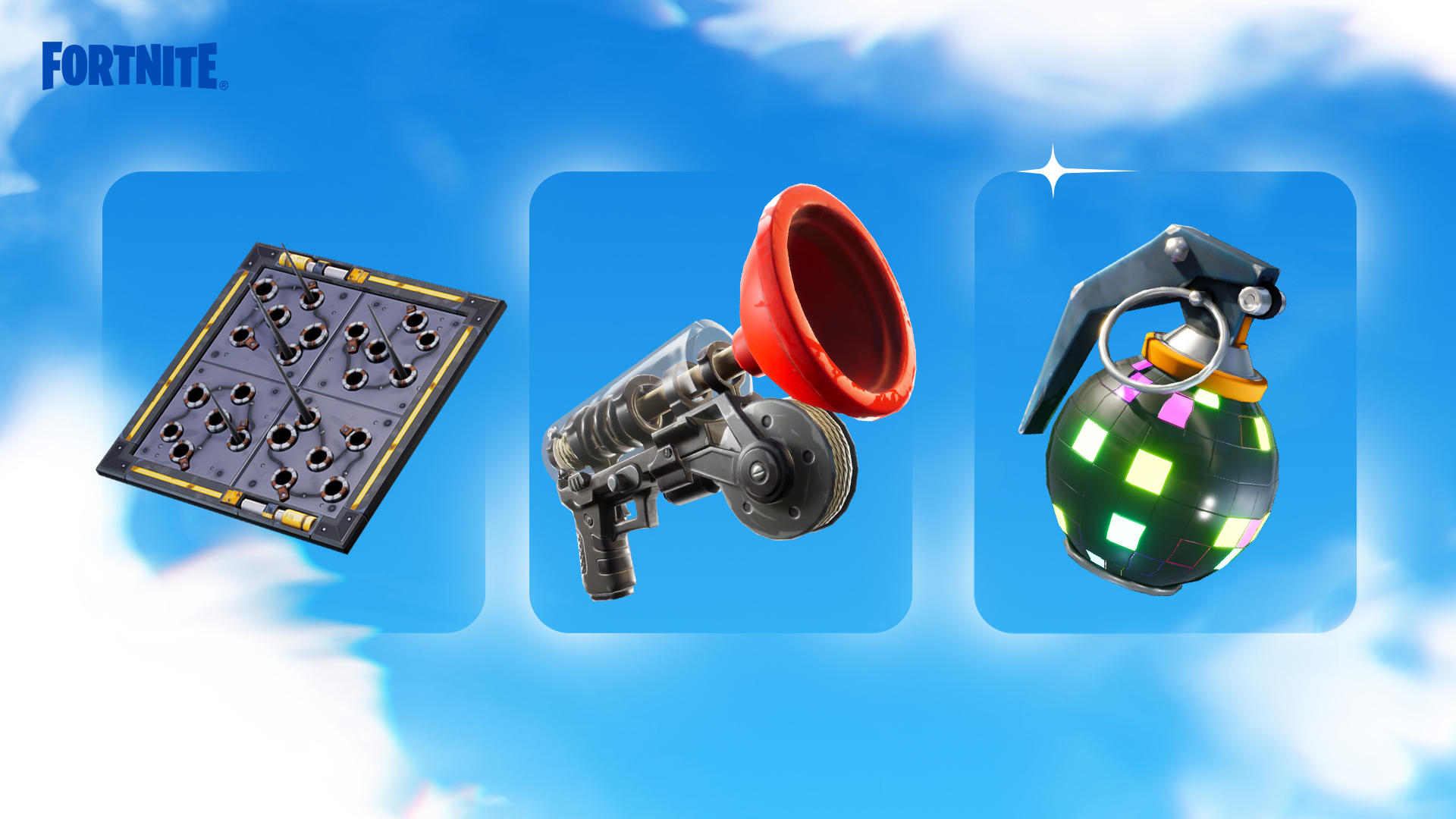
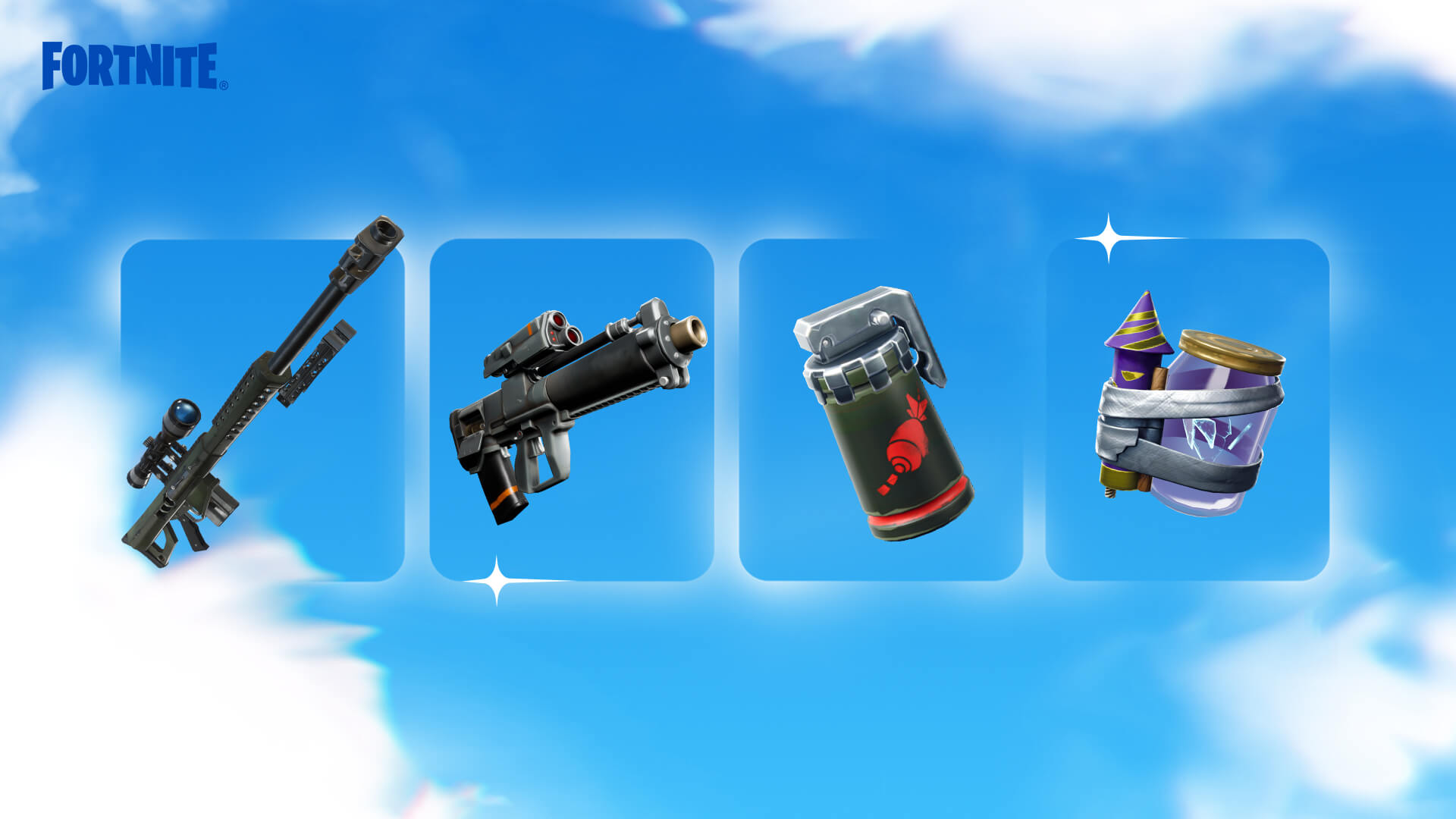
Epic pushed Fortnite Chapter 7 Season 4, codenamed Override, live on August 20. If you’ve been grinding since launch, you already know the drill. Open a chest. Check the loot pool odds. Feel that tiny spike when a Mythic drops instead of another set of common mats.
That spike isn’t an accident. It’s the same mechanism that keeps a slot reel spinning at 2am in a real casino, and the overlap is closer than most players realize.
I’ve spent time on both sides of this. Grinding battle-pass tiers in Fortnite and depositing real money into licensed slots. The reward loop feels almost identical. The stakes absolutely are not.
The Same Circuitry, Different Wallet
Loot crates in Fortnite work on variable-ratio reinforcement. You don’t know exactly when the good drop is coming, so you keep opening. Slot machines run on the exact same principle, just with a paytable and an RNG certificate behind it instead of a loot table.
A replication study published in PLOS One found a measurable statistical link between loot box spending and problem-gambling severity scores, which tells you the underlying psychology isn’t a stretch. It’s the same wiring.
Here’s where it actually diverges. In Fortnite, the currency is V-Bucks and cosmetics. Skins, gliders, back bling. None of it converts back to cash.
In a real-money slot, every spin has an RTP baked into the math, usually somewhere between 94% and 97% depending on the title, and the outcome touches your actual bank balance. That’s not a cosmetic risk. That’s rent money if you’re not careful.
For players who’ve built up the itch through loot-drop mechanics and want to try the real-money version legally, the jump usually starts with finding a licensed operator in your state.
Mississippi has one of the more mature regulated markets in the South, and the top MS casinos listed by Esports.gg is a solid starting point if you want operators that actually hold a state gaming license instead of some offshore outfit with a Curaçao badge slapped on the footer.
Near-Misses Are Doing Heavy Lifting
Okay, here’s the part that gets glossed over. Slot designers didn’t stumble into the near-miss effect. They built around it.
A study in the Journal of Gambling Studies breaks down how near-misses on a reel, two cherries lined up with the third just off, keep players persisting longer than a clean loss would. Your brain registers it as almost-a-win, not a loss, and that reframing is what keeps the spin button getting pressed.
Fortnite does something structurally similar with its crate system. You open ten chests and get eight commons, one rare, and one near-Mythic (an Epic, close enough to feel like progress). The loot table is engineered to keep that ratio feeling generous without actually being generous.
Compare that to a slot’s hit frequency, and the design philosophy is identical. Manage the pacing of small wins so the player never quite walks away.
The difference that matters: nobody’s overdraft gets hit by a bad Fortnite session. A licensed casino spin can absolutely put a dent in your checking account before you’ve noticed forty-five minutes passed.
Who’s Actually Playing This Stuff?
The overlap in audience is bigger than people assume. Pew Research found that a large majority of US teens play video games regularly, with battle royale titles like Fortnite among the most consistently played formats.
That’s a young, always-online audience that’s fluent in loot mechanics well before they’re legally old enough to touch a real-money casino account.
Worth flagging plainly: none of this is a bridge to gambling for anyone under 21 (or 18, depending on the state and product). It’s a bridge to understanding why the mechanics feel familiar once you are of legal age and choosing to play.
For the adult crowd actually chasing real payouts, the calculation changes completely. You’re not managing chest-opening RNG anymore. You’re managing bankroll, wagering requirements, and withdrawal timelines.
If you’ve read our breakdown on random number generators in Megaways-style slot games, you already know the RNG isn’t rigged toward drought or feast. It’s certified and audited. That’s a meaningfully different guarantee than a loot table Epic can quietly rebalance in a patch note nobody reads.

Mississippi’s Numbers Tell Their Own Story
Mississippi’s gaming market isn’t small. It’s one of the older regulated commercial casino states in the country, dating back to the early 1990s riverboat era, and it still pulls serious volume from Gulf Coast and Tunica properties. That said, the state hasn’t been immune to national headwinds.
Mississippi’s casino revenue slid even as the broader US gaming market hit a new record, a gap worth knowing about before you assume every regulated market moves in lockstep.
Mississippi still doesn’t have a legal online casino market the way New Jersey or Michigan does, so most “MS online casino” activity actually routes through sweepstakes-style platforms or licensed sportsbook apps tied to physical properties. That distinction matters more than most players realize when they’re comparing options.
This is exactly the kind of nuance that gets lost when someone treats Fortnite loot and casino slots as interchangeable fun. They’re not. One has a cash-out button connected to a real bank. The other has a cosmetic locker.
Bonuses Are Just Loot Tables With Legal Paperwork
A welcome bonus at a licensed operator is, structurally, a battle pass. You get an initial reward (deposit match, free spins) and then a series of unlock conditions (wagering requirements) standing between you and actually withdrawing anything.
A 35x wagering requirement on a $50 bonus means you need to churn through $1,750 in bets before that money is yours to pull out. That’s not a minor detail buried in terms. That’s the entire economics of whether the bonus is worth claiming.
Fortnite’s battle pass doesn’t have a wagering requirement, obviously, but it has the same “keep grinding to unlock the next tier” structure. The difference is nobody’s real money evaporates if you stop playing halfway through the season.
Stop playing halfway through a casino bonus’s clearance period, though, and that bonus (and sometimes your original deposit) can get voided entirely. I’ve had a bonus expire on me once because I didn’t read the 7-day clearance window closely enough. Lesson learned the annoying way.
What Actually Changes Once Real Money’s Involved?
Here’s the honest breakdown of what separates a Fortnite session from a real-money slot session once you strip away the surface-level similarity:
- Currency: V-Bucks and cosmetics don’t cash out. Casino winnings do, once wagering clears and KYC is verified.
- Regulation: Loot boxes exist in a legal gray zone in the US. Licensed slots operate under state gaming commission oversight with published RTP and audited RNG.
- Loss ceiling: A bad Fortnite chest-opening spree costs you time. A bad slot session can cost you your week’s grocery budget if you’re not setting limits.
- Verification: Epic doesn’t ask for your driver’s license. A licensed casino will, before your first withdrawal clears.
- Recourse: If Fortnite’s loot odds feel off, you complain on Reddit. If a licensed casino misrepresents RTP, there’s an actual regulator you can file a complaint with.
If you’ve read our piece on how gamified apps retain users three times longer, you already know variable rewards and progress bars are the backbone of most app retention strategies now, gaming and otherwise.
The casino industry just happens to be the version where the stakes are denominated in dollars instead of daily streaks.
FAQ
Are Fortnite loot boxes considered gambling in the US?
Not legally, in most states, because the items can’t be cashed out for real money. Some countries (Belgium, for example) have restricted or banned loot boxes outright. The psychological mechanics still mirror gambling closely enough that researchers keep studying the overlap.
Can Mississippi residents play real-money online slots legally?
Mississippi doesn’t currently license standalone online casino apps the way states like New Jersey do. Most legal real-money play happens through retail casino properties or licensed sportsbook platforms tied to those properties.
Why do slot near-misses feel like almost-wins?
Designers intentionally weight reel stops so near-miss combinations (two matching symbols, one off) appear more often than random chance alone would produce. Your brain reads this as progress, which keeps you playing longer than a clean loss would.
Does a higher RTP mean I’ll win more often?
RTP is a long-run average across millions of spins, not a per-session guarantee. A 96% RTP slot can still run cold for hours in a single sitting. It tells you the machine’s long-term math, not tonight’s outcome.
Is there a real connection between video game loot boxes and gambling addiction?
Peer-reviewed research has found a measurable statistical association between loot box spending and problem-gambling symptoms, though it doesn’t prove loot boxes cause gambling problems on their own. The mechanics share enough psychological DNA that researchers keep flagging it as worth watching.
The Reel Doesn’t Care How Good You Are at Fortnite
Being sharp at reading Fortnite’s loot odds, knowing which chests statistically hold better gear, doesn’t transfer to slots.
There’s no skill edge on an RNG-certified reel. The only real edge you have with real money is bankroll discipline: knowing your limit before you sit down, understanding the wagering terms before you claim a bonus, and treating a loss streak as exactly that instead of a near-miss worth chasing.
Gambling involves risk. Please play responsibly and only wager what you can afford to lose. If you feel gambling is becoming a problem, visit BeGambleAware.org or call 1-800-GAMBLER.
The loot crate and the slot reel are running the same code underneath. Only one of them touches your bank account, and that’s the one worth treating with a lot more respect than a battle pass grind.