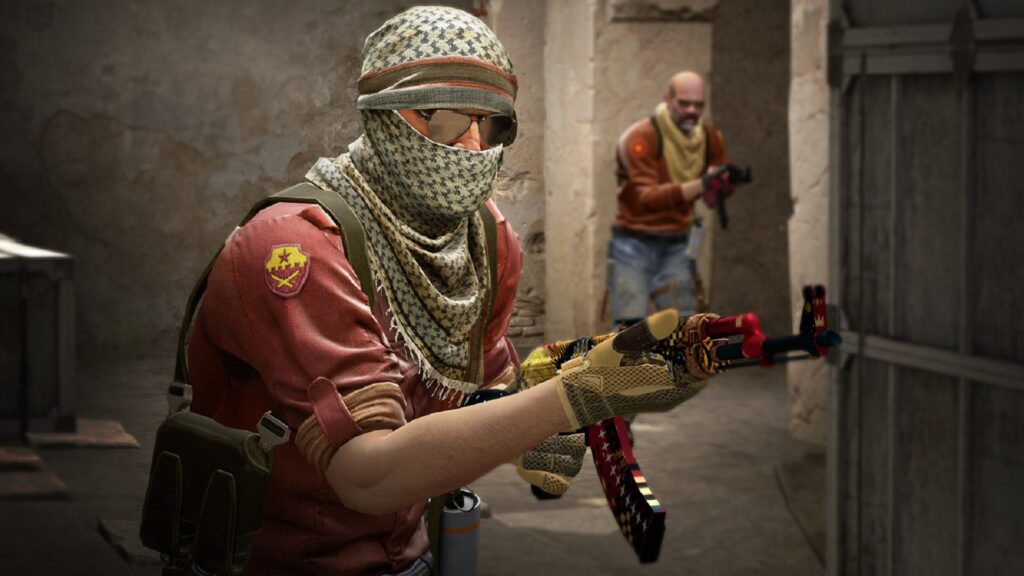
Let’s be honest. Going it alone in a team-based game is frustrating. You queue up, get matched with strangers who leave mid-match or ignore callouts, and you wonder why you even bothered. The experience isn’t just annoying — it actively hurts your progress.
Team chemistry changes everything.
Studies back this up. According to a 2024 report, over 1.8 billion people play multiplayer games globally, yet player satisfaction scores drop sharply when users report “poor team coordination” as a recurring issue. The fix isn’t better gear or more practice hours. It’s finding the right people.
What Makes a “Reliable” Teammate, Actually?
Reliability isn’t about rank. A Diamond-tier player who rages and disconnects is worth less than a Gold player who communicates, stays calm, and shows up consistently.
Think about what you actually need.
Do you want someone with a fixed schedule who can grind ranked sessions every weekend? Or a casual partner for evening fun? Knowing your own answer before you search saves everyone time — including yours.
The Biggest Mistake People Make When Looking for Teammates
They search too broadly. Posting “LFG, any rank, any game” on a random forum is the gaming equivalent of putting up a blank résumé. Nobody takes it seriously, and the responses you get reflect that.
Be specific. Always.
Name the game, the platform, your rank or skill level, your timezone, and what role you play. A post that says “Looking for a support main for Ranked Valorant, EU West, Diamond 2, available weekday evenings” will attract five relevant replies over a vague post that gets fifty useless ones.
Best Platforms for Finding Teammates
There are more options than most players realize. The best platforms for finding teammates fall into a few distinct categories, and each has its own strengths.
Discord — The Current King
Discord is the single most active space for team-building across virtually every game. Servers dedicated to specific titles — Apex Legends, League of Legends, Rocket League, you name it — have dedicated LFG (Looking For Group) channels where players post availability and roles daily.
The numbers speak. As of early 2024, Discord hosts over 19 million active servers, many of which are game-specific communities. Finding one takes thirty seconds with a search.
CallMeChat
It’s worth noting that CallMeChat isn’t a platform specifically designed for finding teammates. CallMeChat services are all about connecting people.
Anyone can launch an online chat and start communicating. This means it might take more time to find a teammate, but the time will be fun. You might even find a female gamer, which is always more enjoyable.
Subreddits like r/LeagueofLegands, r/RocketLeagueExchange, and the general r/LFG are highly active. Posts here get visibility quickly, and the comment threads let you vet someone’s posting history before committing to a session.
It’s slower than Discord. But the depth of information available on someone’s profile makes Reddit a surprisingly effective tool for finding long-term partners rather than one-off sessions.
In-Game LFG Systems
Many modern games have built-in systems. Destiny 2, World of Warcraft, and Halo Infinite all include matchmaking tools for group content beyond casual play.
These are underused. Seriously — a lot of players don’t even know the feature exists inside the game they’ve played for two years.
Dedicated Gaming Platforms
Sites like GamerLink, Blitz, and Players Lounge are built specifically for this purpose. They function almost like dating apps for gamers — you create a profile, list your games, hours, and playstyle, and the platform surfaces compatible matches.
GamerLink, for instance, reported over 3 million registered users as of 2023. That’s not a small pool.
How to Find a Teammate Online Without Wasting Hours
The phrase “find a teammate online” sounds simple. The execution trips people up constantly.
Write a Good LFG Post
Think of it as a short ad for yourself as a teammate. Lead with the game and your role. Mention your timezone — this gets skipped more than anything else and causes more scheduling conflicts than any other factor.
Add one or two sentences about your playstyle: “I’m a supportive player, not a carry-focused one” tells someone a lot.
Keep it under 100 words. People skim.
Use Voice Chat Early
Text chemistry and voice chemistry are completely different things. Before committing to a long-term gaming partnership, hop into a voice channel for at least one session. You’ll know within twenty minutes whether the communication style works.
Some players are fine in text but dominate every conversation in voice. Others are quiet typers but excellent callout machines on mic. You won’t know until you try.
Red Flags to Watch For
Not everyone who responds to your post is worth your time. Some patterns show up repeatedly.
Vague or Defensive Answers
If you ask someone about their rank history and they deflect or give inconsistent answers, trust that instinct. Rank doesn’t define a good teammate, but honesty does.
Someone uncomfortable with basic questions about their play history will likely be uncomfortable with in-game feedback too.
Timezone Mismatch Minimizers
“Oh, the time difference is fine” is almost never true when it’s more than three hours. Schedule conflicts are the number one reason gaming friendships fall apart. Address it directly before your first session, not after three weeks of missed callouts.
Building Long-Term Team Chemistry
Finding someone is step one. Keeping the partnership productive is step two — and most guides skip it entirely.
Set Expectations Early
Talk about goals before you play. Are you chasing rank? Trying a new genre together? Playing for fun? Mismatched expectations cause more friction than skill gaps. A five-minute conversation before your first session prevents weeks of silent frustration.
Review Sessions Together
This sounds intense, but it doesn’t have to be. Even a ten-minute debrief after a rough match — what worked, what didn’t — builds trust and accelerates improvement faster than solo grinding ever will. The best teams treat losses as data, not disasters.
A Quick Summary Before You Queue Up
Gaming is more fun with reliable people beside you. It really is that simple. The platforms exist. The communities are active. What’s missing for most players is the willingness to invest fifteen minutes in a decent LFG post and follow through.
Write something specific. Show up on time. Communicate. Repeat.
Your dream team isn’t some mythical group that will materialize by accident. You build it — deliberately, one session at a time.