

Running a small business is a marathon of different roles. One moment you are the lead salesperson, and the next, you are managing customer support or handling logistics.
However, the one role that can truly make or break the long-term health of your venture is the role of the financial officer. Staying organized with your numbers is not just about being ready for tax season. It is about having a clear view of your growth and knowing exactly where your hard-earned capital is going every single day.
For many owners, the financial side of things feels like a chore that gets pushed to the end of the week or even the end of the month. This delay creates a mountain of paperwork and a general sense of anxiety.
Technology has changed the landscape for small operations, offering tools that do the heavy lifting for you. When you integrate the right tech habits into your workflow, you move from reacting to your finances to actually controlling them.
Start with the Cloud

The foundation of modern financial organization is the cloud. Storing your data in a physical ledger or on a single hard drive is a risk that most businesses cannot afford. Cloud-based accounting software allows you to access your books from anywhere, whether you are at your desk or checking a balance on your phone between meetings.
The real power of the cloud is the ability to sync. You can connect your business bank accounts and credit cards directly to your software. This means every transaction is pulled in automatically. You no longer have to spend hours manually typing in every coffee meeting or office supply purchase. It creates a real-time snapshot of your cash flow that stays updated without constant manual intervention.
Digital Receipt Management
Paper receipts are the enemy of organization. They fade, they get lost in the bottom of bags, and they create physical clutter that no one wants to deal with. Moving to a digital-first approach for your documentation is one of the quickest wins for any small business owner.
Most accounting platforms now offer a mobile app that lets you take a photo of a receipt the moment you receive it. The software uses optical character recognition to read the date, the vendor, and the amount. Once the photo is taken, you can shred the paper version.
This habit ensures that your records are always complete. It also makes it much easier to categorize your spending and match each expense to the correct account without second-guessing yourself weeks later.
These small habits quickly add up and become some of the most effective ways to improve business expense tracking without adding more work to your plate. Over time, this level of organization gives you cleaner reports, fewer surprises, and the confidence that your financial picture is always accurate.
Automate Your Invoicing
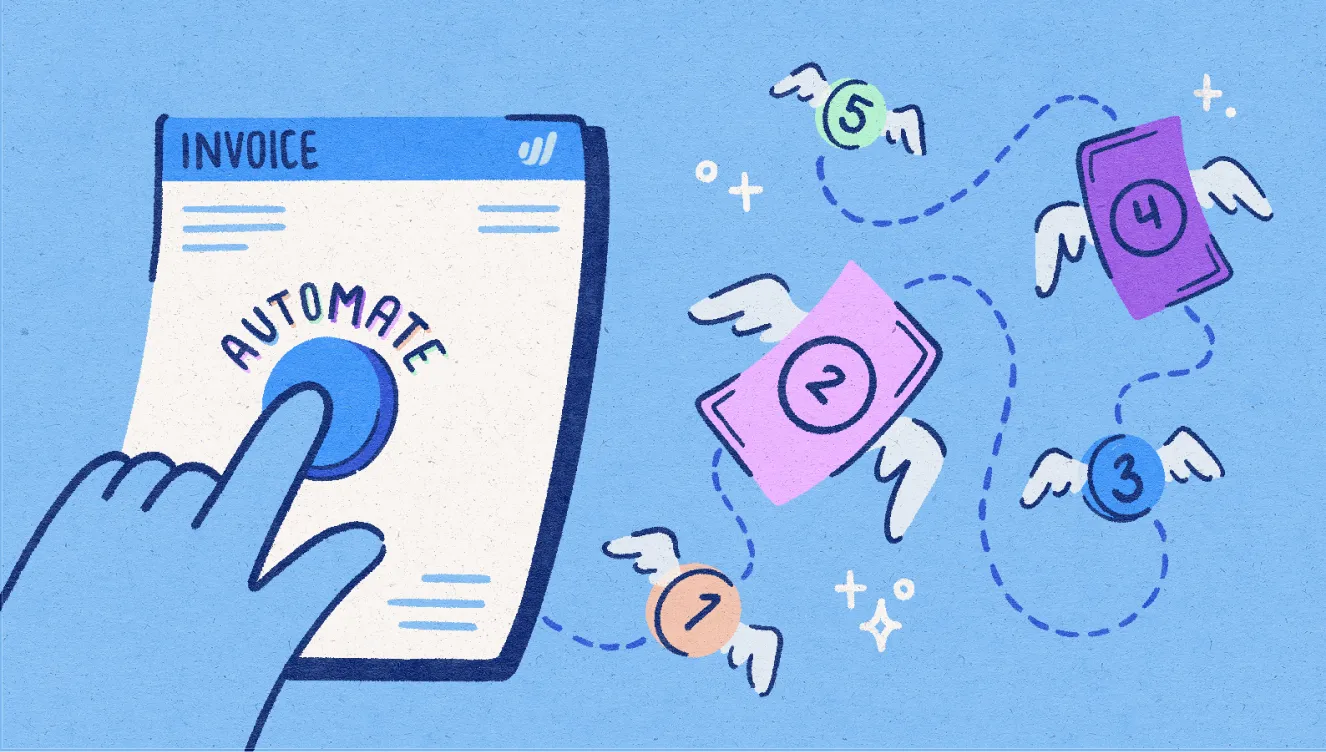
Cash flow is the lifeblood of a small business, and slow payments are a major hurdle. If you are still sending manual invoices and waiting for paper checks to arrive in the mail, you are slowing down your own growth. Automated invoicing systems allow you to set up recurring billing for long-term clients and send out professional reminders when a payment is late.
By providing a “pay now” button directly on the digital invoice, you make it easier for your customers to settle their bills. Most people prefer to pay via credit card or bank transfer instantly.
When the payment is made, the software automatically marks the invoice as paid and updates your records. This eliminates the need for you to cross-reference your bank statement with your outstanding bills manually.
Use Dedicated Project Tracking
If your business provides services or works on specific projects, general accounting might not be enough. You need to know if a specific job is actually profitable after you account for labor and materials. Project management tools that integrate with your financial software can help you track time and expenses against specific contracts.
This level of detail allows you to see where your time is being spent most effectively. You might find that a certain type of client takes up sixty percent of your resources but only provides twenty percent of your profit.
Having this data at your fingertips lets you make informed decisions about which projects to take on in the future and how to price your services accurately.
The Importance of Regular Reviews
Technology is a powerful tool, but it is not a complete replacement for your own oversight. Even with the best automation, you should schedule a weekly financial date with your business. Spend thirty minutes reviewing the transactions that were pulled in, checking your accounts receivable, and looking at your profit and loss statement for the month.
This habit keeps you connected to the reality of your business. It prevents small errors from ballooning into major problems.
When you use technology to handle the data entry, your weekly review becomes a strategic session rather than a data entry session. You can look at the trends and plan for the next quarter with confidence because you know the numbers are accurate.
Conclusion
Organizing your finances does not have to be a source of stress. By moving to the cloud, digitizing your receipts, and automating your invoicing, you build a system that works for you.
Technology provides the structure, but your consistency provides the results. When your financial house is in order, you have the freedom to focus on the creative and strategic work that made you want to start a business in the first place.
