Mobile gaming isn’t what it used to be. Games now rival console titles in graphics and complexity, but your fingers get in the way. Touchscreens work fine for casual puzzle games, yet competitive titles demand better tools.
The right accessories change how games feel. Controllers add precision, better screens reveal hidden details, and proper audio gear pulls you deeper into virtual worlds.

Why Touchscreens Hold You Back?
Touchscreens create fundamental problems during intense gameplay—your thumbs block the screen right when the action heats up.
Precise aiming becomes guesswork. Extended sessions leave fingers cramped and screens smudged. Heat from your hands affects touch sensitivity, making fast reactions less reliable.
Physical buttons solve these problems. Muscle memory develops faster with tactile feedback. Competitive players notice the difference immediately in shooters and racing games. Button presses register instantly without the slight delay inherent to touchscreen input.
Many gamers don’t realize how much touchscreens hold them back until they try alternatives. The improvement shows up in reaction times and accuracy.
Controller Options That Actually Work
Controllers transform different game genres in specific ways. First-person shooters demand precise aiming that touchscreens can’t deliver. RPGs like Genshin Impact require juggling attacks, dodges, and skill rotations—controllers with programmable buttons let you map abilities for instant access.
Fighting games need frame-perfect inputs and combo execution that touch controls simply can’t match. Racing games feel more natural with analog triggers for acceleration control.
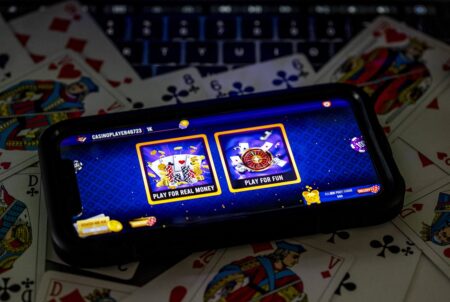
Casino gaming sees practical benefits, too. Rapid-fire decisions in slots become smoother with physical buttons instead of repeated screen tapping. Roulette and blackjack games requiring quick bet adjustments work better with controllers, especially during timed rounds.
The tactile feedback prevents misclicks when placing chips or spinning reels. Real-money casino games demand precision that touch controls often compromise, making physical buttons a practical upgrade for serious players.
Modern Bluetooth controllers clip directly onto phones, turning them into miniature consoles. Stand-alone models pair across multiple devices. Hybrid options combine both approaches while adding cooling fans to prevent thermal throttling during extended sessions.
The shift from touch to physical controls changes how players approach mobile gaming entirely. For casino gamers specifically, finding reputable platforms becomes important during this exploration.
Not all casino sites optimize their mobile games for controller input, and payout reliability varies widely. Players often consult trusted review sites (source: https://www.cardplayer.com/online-casinos to identify quality casino platforms before committing time and money.
Audio Makes or Breaks Immersion
In 2024, mobile gaming made a record revenue of $92 billion, representing 49% of the total gaming market. That massive share has pushed audio manufacturers to develop mobile-specific products that actually work for gaming.
Game audio communicates crucial information. Footsteps reveal enemy positions in shooters. Engine sounds signal competitors in racing games. Built-in phone speakers miss these details completely.
Gaming headsets deliver spatial audio that pinpoints sound direction. Wireless models eliminate cable tangles while maintaining low latency. Many include microphones for team communication. Budget options under $50 work fine, while premium sets above $150 offer audiophile-grade sound.
Wired earbuds still have advantages. Zero latency keeps audio synced perfectly. No battery charging needed. USB-C and Lightning connections deliver better quality than Bluetooth compression.
Power and Cooling Extend Your Sessions
Vitality dies with battery life. Banks with a rating of at least 10,000mAh offer several full charges. USB-C Power Delivery Fast-charging models reduce waiting times.
Other controllers have built-in batteries that charge mobile phones throughout play. Battery capacity matters more than brand names. Look for certified units with overcurrent protection.
Cooling Prevents Performance Throttling
Most manufacturers that released new controllers in 2023-2024 had cooling capabilities since phones reduce performance when overheating. Frame rates drop, and touch response lags. External cooling fans attach to phone backs, drawing heat away from processors.
Passive cooling clips work without batteries, using heat-conductive materials. Active fans provide stronger cooling but need power.
Gaming phone cases with ventilation channels help too. Proper cooling maintains consistent performance and extends hardware lifespan.
Controller Market Growth Reflects Rising Demand
DataIntelo estimates the mobile gaming controller market will grow to reach $5.78 billion in 2032, having reached an estimated value of $1.92 billion in 2023. This is three times the present size within a short span of 10 years.
The bombastic expansion is understandable. Touch interfaces are less favored by most gamers after using both. The preference cuts across all types of games and all levels of skill. The manufacturers now have controllers at all budgets, starting at $25 entry-level, customizable up to the high-end of $100 and more, with pro-level customization options.
Screen Upgrades Worth Considering
Small phone screens work, but miss details. Tablet gaming expands the view without extra hardware. Larger displays make strategy games playable and racing titles more immersive.
External monitors take this further for home setups. USB-C adapters mirror phone screens to TVs or gaming monitors.
Final Thoughts
Mobile gaming doesn’t get the respect it deserves. Console and PC players still dismiss it as casual entertainment for killing time. But add a controller, decent headphones, and proper power management, and that perception falls apart.
These accessories expose what mobile gaming is actually capable of. Hardware gets more powerful every year. Game quality keeps climbing. The only real bottleneck has been input methods and basic ergonomics.
Spending $100 on accessories might seem excessive for “phone games” but that mindset is outdated. Developers are building experiences that rival console titles. The platform deserves proper tools.