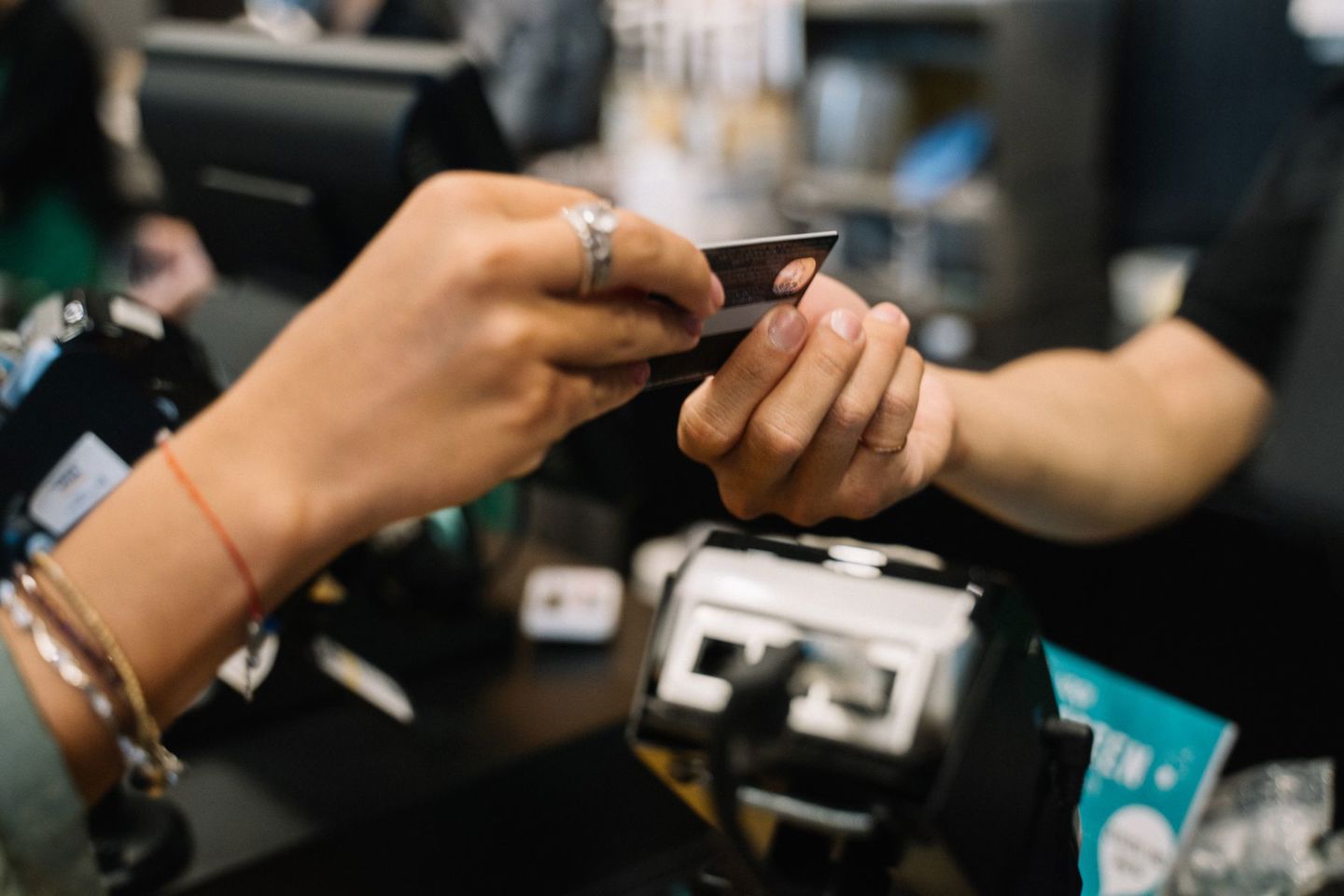
A football match can turn on a single goal, but for someone using a betting app, another important moment happens before the game even starts. It is the point when money moves from a bank account into the betting platform.
That transaction might take only seconds, yet the technology handling it has become an increasingly important part of the soccer betting experience.
Payment technology is changing how customers interact with online sportsbooks. Digital wallets can simplify deposits, while newer banking connections make it possible to transfer funds without repeatedly entering financial details.
The changes also extend to withdrawals, where customers increasingly expect the movement of money to be as easy to follow as their soccer betting activities.
The United States offers a particularly interesting picture of these developments. According to the American Gaming Association’s May 2026 report, commercial sports betting generated $16.89 billion in revenue during 2025, an increase of 22.6% over the previous year.
While that figure reflects betting revenue rather than payment transactions, it illustrates the scale of the industry adopting these technologies.
Digital wallets are becoming a familiar way to fund bets
For a soccer fan opening a sportsbook account during the 2026 World Cup, the payment screen could be the first unfamiliar part of the experience.
A familiar digital wallet changes that interaction. Rather than entering card information again, the customer can select a supported wallet and approve the transaction through its existing interface. The sportsbook then updates the account when the payment is confirmed.
That familiarity matters in the American market. In research published in January 2026, Paysafe found that 62% of surveyed World Cup followers in U.S. states with legal online sports betting intended to wager during the tournament.
The same research found that 29% expected to place their first online bet. However, it’s important to note that these were stated intentions, rather than a count of completed wagers.
A new customer may understand the match perfectly but still need clear guidance on how funding works. Showing which wallet is accepted and when money will appear in the account makes the payment step easier to understand.
For soccer betting platforms, the design challenge is to make a first deposit feel like an ordinary digital purchase without obscuring the transaction’s status.
Pay-by-bank technology is changing how betting accounts are funded
Bank-linked payments are changing the role of the sportsbook cashier. Instead of treating bank transfers as a separate process, some U.S. operators allow customers to connect an account inside the betting app and authorize payments through that connection.
The technology links a customer’s banking relationship to the operator’s payment provider, reducing the need to enter account details manually.
A concrete example arrived on March 18, 2025, when Trustly announced a partnership with Hard Rock Digital. The agreement brought Pay by Bank services to Hard Rock Bet, with Trustly describing support for instant deposits and withdrawals.
The provider also announced real-time payment capabilities alongside guaranteed ACH processing. Those are different routes for moving money, so the available experience can depend on how a particular transaction is handled.
Danny Crook, Hard Rock Digital’s senior vice president of operations, highlighted “faster, more seamless banking transactions” when discussing the integration.
For a soccer betting customer, the practical benefit is continuity. Once a supported bank account has been linked, the customer can return to the same payment route rather than rebuilding the process for each match. The operator still has to display the outcome of every transfer clearly.
Open banking is changing how betting accounts are funded
A different change is taking shape through account-to-account payments. Instead of typing card details into a sportsbook, a customer can choose a supported bank-payment option and authorize the transfer through their banking app.
The bank handles authentication while the betting platform receives the payment result through its provider. That separation can make the checkout feel more closely connected to an existing banking relationship.
The wider adoption figures are substantial. Open Banking Limited reported 31 million open-banking payments across the UK in March 2025. In June 2026, the monthly total reached 40.16 million, according to its July update.
Neither number measures betting deposits specifically. They describe the financial infrastructure that eligible online businesses may use.
Henk Van Hulle, chief executive of Open Banking Limited, described the 2026 milestone as evidence of an ecosystem that “continues to scale in both volume and capability.”
For soccer betting operators, the practical question is whether a bank-to-bank option fits the customer’s location and the operator’s regulatory permissions.
Where available, it adds another way to move money without treating a card number as the default starting point.
The way people pay on soccer betting platforms has changed quite a bit. Digital wallets and bank payments are taking some of the hassle out of moving money online.
With more payment options becoming available, users can expect a simpler experience when adding funds or withdrawing their winnings after a match.