Epic didn’t just drop Override and call it a season. It moved the entire FNCS Global Championship to Antwerp, September 26-27, and put the largest prize pool in franchise history on the line for the top 50 duos left standing. That single scheduling change did more to reshape scrim culture than any weapon rebalance patch has this year.
Here’s what’s changed since Chapter 7 Season 4 dropped in late August. Scrim lobbies that used to run for bragging rights now run for cash.
Discord wager crews, small squads of five to fifteen players pooling money on head-to-head lobbies, have quietly become a fixture in the competitive Fortnite scene the same way skin gambling did for Counter-Strike a decade ago.
A study covered by Education Next found that in-game wagering mechanics normalize real-money betting habits in teenage players well before they’re legally old enough to open a sportsbook account. That’s not a footnote. That’s the entire pipeline these wager crews are built on.
What’s new this season isn’t the wagering itself. It’s what players are wagering on. Beyond the informal Venmo-and-vibes scrim pools, a growing slice of the FNCS-adjacent crowd is putting money on structured prediction markets tied to tournament outcomes: who makes top 10 in Antwerp, which region’s meta holds up, whether a specific duo repeats.
That’s a fundamentally different animal from a scrim side-bet, and the players smart enough to tell the difference are the ones checking who’s actually licensed before they stake anything.
Increasingly, that means looking at networks like New Game Network before depositing a cent, because half these “betting sites” popping up in Fortnite Discords aren’t licensed anywhere and vanish the week after a big tournament.
I’ve watched three separate wager crews implode this year over exactly that. Not because anyone lost, but because the platform they used stopped answering support tickets the day payouts were due.
Why prediction markets specifically, and why now?
Sports fans have been circling this exact question for two years. Kalshi and Polymarket built massive trading volume on event contracts, real money staked on real-world outcomes, and regulators noticed fast.
ESPN reported that the CFTC has proposed rules specifically limiting sports-linked prediction contracts, citing concerns that mirror traditional sports betting oversight almost exactly.
CBS Sports has tracked how the legal status of these markets still varies wildly state to state, which is precisely the kind of patchwork that lets sketchy operators hide in the confusion.
Esports hasn’t caught up to that scrutiny yet. FNCS doesn’t have a CFTC watching it. It doesn’t have a state gaming commission auditing payout logs.
What it has is a fanbase of players who grew up trading V-Bucks skins and are now old enough to trade actual dollars on tournament brackets, with none of the guardrails that traditional sports betting has spent a decade building.
That gap is exactly where the sketchier platforms live. A Discord bot offering “guaranteed odds” on the Antwerp bracket isn’t regulated by anyone. It’s just a spreadsheet with a Venmo link attached.
What a wager crew should actually check before staking anything?
Three things matter more than the odds themselves.
First: who holds the license, and where. Second: how fast withdrawals actually clear, not how fast the site claims they clear. Third: whether the platform existed before this specific tournament cycle, or whether it spun up two weeks ago chasing FNCS traffic.
I deposited $40 into a mid-size crypto-friendly platform in July to test a Chapter 7 scrim market. The funds cleared in nine seconds. The withdrawal, three days later, sat in a manual review queue for eleven hours before a human actually looked at it.
That’s not a disaster. But it’s also not what the front page promised, and it’s the kind of gap that separates operators worth trusting from operators worth avoiding entirely.
The esports betting segment itself isn’t small anymore either. Mordor Intelligence’s market research puts wagering and fantasy platforms among the fastest-growing revenue lines in the entire esports economy, which tells you this isn’t a niche Discord habit anymore. It’s a real market with real money moving through platforms of wildly varying quality.
Override changed more than the map
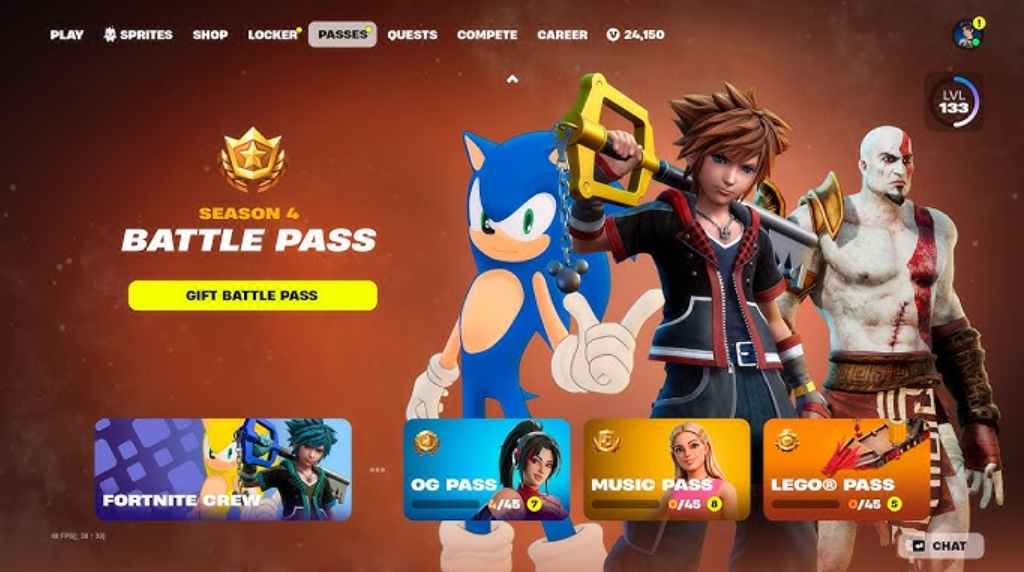
It’s worth remembering what actually shipped. Override reworked the core loop with new mobility tech and a fresh POI layout, changes detailed in GamesRadar+’s full breakdown of the chapter’s biggest shifts.
Faster rotations mean faster scrims mean more lobbies run per night, which means more volume moving through whatever platform a crew has chosen.
Volume is exactly what makes a shaky operator’s cracks show. A site that handles twenty transactions a night looks fine. The same site handling two hundred a night during Antwerp week is where withdrawal queues back up and support tickets go unanswered.
If your crew is serious about scaling past casual scrim pools, the operator matters as much as the roster does. A crew with a stacked lineup and a broken payout system still loses. Just not on the scoreboard.
Reading the room before the bracket drops
None of this requires a crew to stop scrimming for money. It requires fifteen minutes of due diligence before the first deposit goes in. Check the license. Check a recent withdrawal timestamp if anyone in the crew has one. Check whether the platform was still operating six months ago.
Antwerp is going to draw a huge audience, and every large audience draws opportunists building throwaway betting sites specifically to catch that traffic for two weeks and disappear.
The crews that come out of this season ahead financially won’t be the ones with the best odds. They’ll be the ones who didn’t get burned by a platform that never intended to pay out in the first place.
For players who want to go deeper on the hardware side of competitive prep, the gadgets serious poker players are using to sharpen their game covers a lot of the same performance-tracking gear that’s crossing over into competitive Fortnite setups this year.
And if the RNG behind bonus mechanics in mobile titles interests you the way prediction markets do, how random number generators work in Megaways-style slot games breaks down the math most players never think to question.
FAQs
Is real-money wagering on Fortnite scrims legal?
It depends entirely on jurisdiction and the platform used. Informal peer-to-peer betting exists in a legal grey zone in most US states, while licensed prediction-market and betting platforms operate under specific regulatory frameworks that vary state by state.
What’s the difference between a scrim wager and a prediction market bet?
A scrim wager is a direct bet between players on a match outcome. A prediction market lets you trade on structured event contracts, like tournament placement, with pricing that shifts based on collective trading activity rather than a single opponent’s odds.
Why did FNCS move to Antwerp for the September 2026 championship?
Epic Games confirmed the Global Championship relocation as part of its broader push to rotate marquee competitive events across international venues, following a pattern of expanding FNCS’s global footprint beyond North American hosting.
How can a wager crew verify a betting platform is legitimate before depositing?
Check for a named licensing body, look for verifiable withdrawal history or reviews with actual timestamps, and be wary of any platform that launched within weeks of a major tournament announcement chasing short-term traffic.
Does Override change anything about competitive scrim strategy?
Yes. The reworked mobility systems and POI layout shift rotation timing significantly, which increases lobby throughput per night and, in turn, increases the transaction volume flowing through whatever payment platform a crew is using.
Gambling involves risk. Please play responsibly and only wager what you can afford to lose. If you feel gambling is becoming a problem, visit BeGambleAware.org or call 1-800-GAMBLER.
Override is just the opening patch note of a season that’s going to be defined by Antwerp. Whether your crew walks away from it ahead depends less on bracket predictions and more on whether you checked who’s actually holding the money before you sent it.