

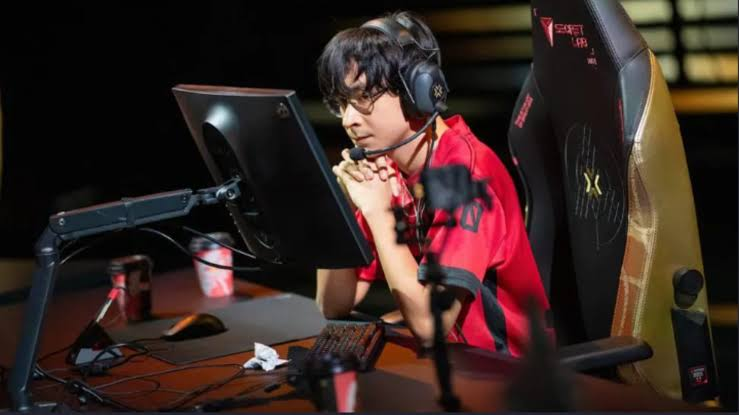
The spike is planted, three teammates are already dead, and every credit of the enemy team’s attention is suddenly pointed at one player. That’s the job nobody writes on a resume: clutch king.
On July 12, 2026, in the Esports World Cup grand final in Paris, 100 Thieves needed exactly one round to swing momentum against NRG, and a pinpoint Sova ultimate from vora turned a shaky defense into a 13-7 half.
The crowd saw a highlight clip. What it didn’t see was the months of nervous-system wear it takes to even attempt that read with a title on the line.
Ask a coach what separates a clutch god from a player who tenses up, and aim is rarely the answer. It’s whether a brain still fires normally with a few thousand people watching and a career, not just a round, riding on one peek.
Nine days earlier, at Masters London on June 21, that exact question decided a $1 million trophy, and mechanics had nothing to do with it.
What Does the Clutch Role Actually Do to a Player’s Body?
A 2026 scoping review in Applied Psychology pulled together 89 studies on competitor wellbeing and found anxiety symptoms reported in 38% to 82% of players, with depressive symptoms in 25% to 37%, numbers that shift with experience, coping style, and how brutal the competitive environment gets.
A separate survey of 313 shooter competitors across CS:GO, Valorant, and Rainbow Six Siege found that in-game stressors reliably predicted worse sleep quality and higher social anxiety, which in turn predicted measurable mental ill health.
Clutch situations sit at the sharp end of that stress curve. They compress an entire round’s outcome into ten seconds a single person has to carry.
Sentinels head coach Kaplan touched on this after a rough 2024 stretch for TenZ, describing how physical burnout, poor sleep, and travel fatigue quietly ate into his star player’s composure long before it ever showed up as a missed flick.
He didn’t reach for a new crosshair. He treated the season like a marathon instead of a sprint, and rebuilt confidence around role and identity rather than raw results.
What Happened When the Pressure Actually Broke Through, Live on Stage?
Masters London 2026 gave the clearest public example of this all year. Paper Rex arrived as the favorite, having swept through the upper bracket without dropping a series, while Leviatán clawed back from an opening 0-2 loss to force a fifth and deciding map on Lotus.
Leviatán closed it out 13-5 to win their first international trophy, with 18-year-old Bruno “Neon” Rodríguez earning MVP off a 79/64/24 scoreline across five different maps and four different agents. Afterward, Paper Rex coach Alexandre “alecks” Sallé didn’t blame strategy or aim.
He pointed to how difficult it is for an emotionally driven roster to manage the weight of a fifth map, describing how that pressure tends to snowball into costly mistakes players already feel terrible about mid-round.
A coach saying that out loud, on record, is basically the stressor-and-burnout research from the last section playing out in real time.
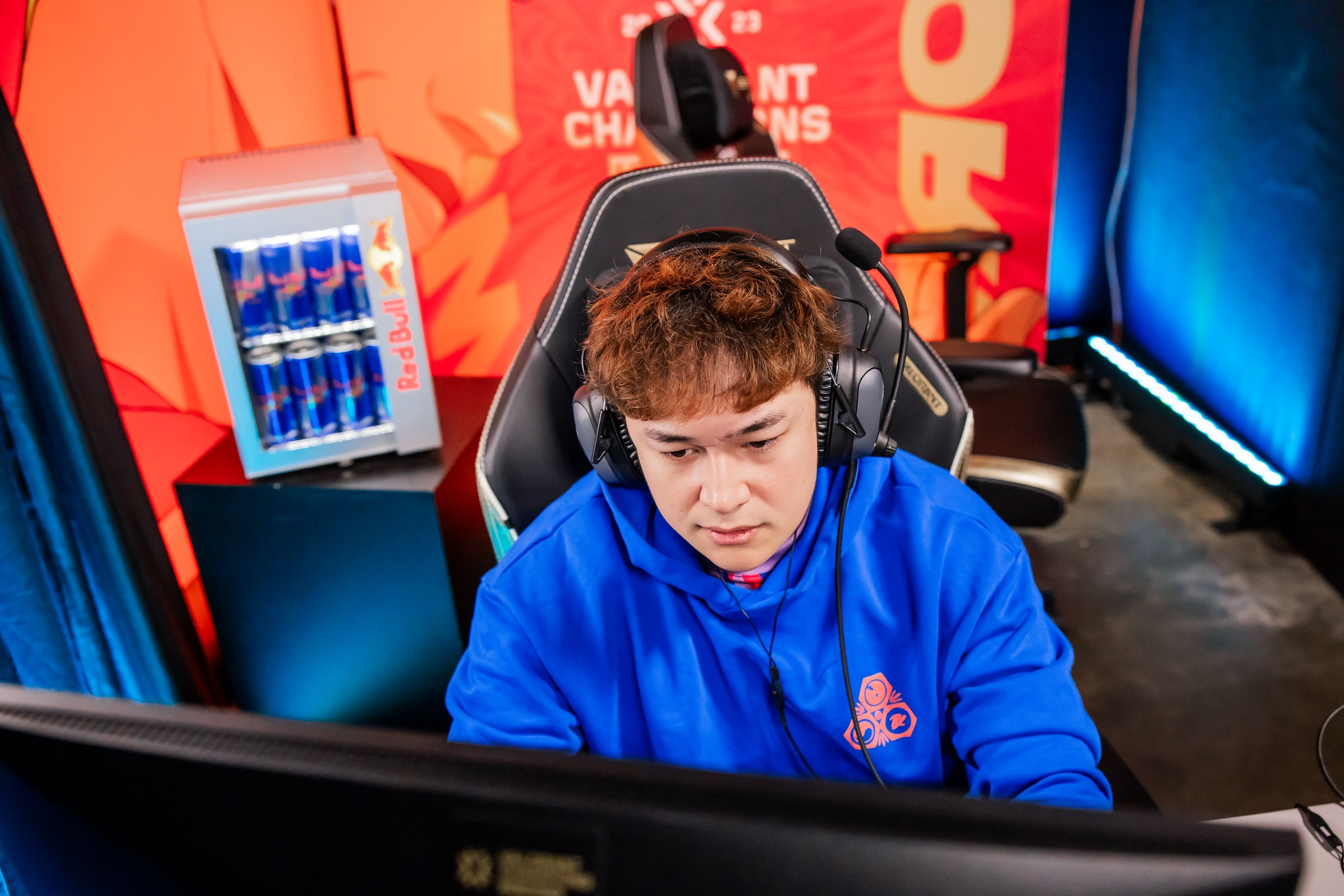
Why Do Even the Best Clutchers Eventually Burn Out?
Because a highlight reel only shows the wins. Fans following valorant esports coverage through playoffs see the four-kill saves and the funny post-match interviews.
What doesn’t make the clip is the player who choked the exact same 1v2 three weeks earlier in a much smaller match, or the one whose form dips for a full stage after a single botched clutch becomes the top comment on every recap.
Match previews and odds pages tend to reduce all of this to one figure, clutch success rate, which is useful for predicting a series but tells you nothing about what it costs to produce it.
That cost shows up in public in blunt ways. A VLR.gg forum thread reacting to a stumbled clutch attempt filled with comments guessing that the player’s “mental is shot,” treating a single missed read as proof of a deeper collapse rather than one bad round in a very long season.
It’s an ordinary community reaction, and it’s also exactly the kind of pressure that follows a player home. Multiply that by every regional league, every Swiss-stage upset, and every fifth map decided by a single clutch attempt, and it’s clear why burnout doesn’t wait for a bad season. It can start building after one bad round that goes viral.
How Do Teams Actually Train Players for These Moments?
Practice for clutch situations used to mean running more 1vX rounds in scrims and hoping composure followed skill. That’s changing, slowly.
Research from Sharpe and colleagues, published across several 2024-2025 papers on pressurized esports performance, points toward reappraisal techniques (consciously treating a clutch as an opportunity rather than a threat) as one of the few interventions shown to affect actual performance under pressure, not just a player’s self-reported confidence.
Some organizations have started building this into film review. Instead of only replaying a lost clutch to fix positioning, coaches walk players through how they narrated the moment to themselves in real time, since that internal voice often decides whether panic or focus wins out.
None of this replaces raw mechanics. But it explains why two players with near-identical aim stats can have wildly different clutch conversion rates over a season, and why a team’s sport psychologist is increasingly as important to that number as its aim coach.
Is Anyone Actually Doing Something About It Beyond Individual Coaching?
Slowly, at the structural level too. Team organizations increasingly staff sport psychologists rather than only strength coaches.
Riot’s own competitive calendar, tracked officially through valorantesports.com, now spaces five international events across the year, from Kickoff in January through Champions Shanghai on September 24 to October 18, giving rosters slightly more room to recover between peaks than the older, denser schedule did.
That’s still five separate chances a year for a single round to define how a player is talked about for months. Masters London alone pulled in over 1 million peak viewers, so any clutch attempt on that stage happens in front of an audience most traditional athletes never face at that career stage.
Coverage built around a live valorant esports hub, with match calendars, rosters, and betting lines for every regional league, isn’t going anywhere, and it shouldn’t.
Bettors and analysts need that data. But there’s a gap between a stat line reading “clutch rate: 34%” and the actual experience of being the last one standing while a Discord server decides, in real time, whether you’re a star or a choke artist.
What Would Actually Help a Player in That Role?
Not much of it is mechanical. Consistent pre-round routines help. So does a coach willing to discuss a missed clutch as one data point instead of a character flaw, and enough rest between events that a player isn’t walking into a grand final already running on fumes.
Both show up repeatedly in the coping-strategy literature on elite esports competitors. Maybe the simplest fix is just naming the baseline honestly: a 38% to 82% anxiety prevalence range isn’t a personal failing. For this role, it’s closer to a job hazard.
None of that will stop the moment being agonizing. A 1v3 with the spike ticking is supposed to be uncomfortable; that’s what makes it worth watching.
But treating the players who deliver those moments as case studies in performance psychology, rather than as highlight-generating machines, is the only way the role stops quietly grinding down the very players who are best at it — the ones who, like Neon on Lotus or vora against NRG, are asked to be perfectly calm at the exact second everyone else in the room has stopped breathing.
