When you scroll through Instagram or TikTok in 2026, you quickly notice how aesthetics emerge online, where visual trends rarely grow as broad cultural movements.
Today, they often develop within tightly connected digital communities where algorithms link users who engage with similar videos, images and hashtags.
These connections create clusters of creators who exchange ideas quickly, so over time, you begin to notice patterns in lighting, clothing, makeup styles and the music used in short videos.
Each community develops its own visual language, with those styles spreading across feeds as more people experiment with the aesthetic.
Platforms with enormous global audiences accelerate the process, particularly when Instagram now attracts about 2 billion monthly active users and TikTok exceeds 1.5 billion worldwide, which allows even small creative ideas to circulate globally within weeks.
Micro-aesthetics and identity signaling
Digital subcultures offer people a convenient way to communicate personality and interests through visual signals, which often take the form of micro-aesthetics that combine fashion, lifestyle habits and cultural references.
Terms like “clean girl,” “coquette,” and “dark academia” circulate widely across social platforms because they give creators a clear framework for styling photos, filming videos and describing the atmosphere they want their content to convey.
Each label features recognizable elements such as colour palettes, clothing silhouettes, music selections and even subtle emotional tones that guide the overall presentation. When viewers recognize those cues, they understand the aesthetic identity of the creator almost immediately.
You might notice this process when browsing beauty tutorials or fashion posts, as creators often present their look as part of a larger lifestyle narrative that extends beyond clothing or makeup.
Someone adopting the clean girl aesthetic might post minimal makeup routines, neutral outfits and carefully lit morning rituals, while a dark academia creator might combine vintage blazers, classical music and candlelit study scenes that evoke historic universities.
These aesthetic languages work almost like dialects within online culture, and they allow communities to recognize each other quickly across crowded digital spaces. When you engage with a particular aesthetic repeatedly, algorithms surface more of that content in your feed, reinforcing the sense of belonging within the community.
Beauty trends and unexpected influences
Beauty culture provides one of the clearest windows into how digital subcultures influence visual trends, because makeup artists and lifestyle creators share tutorials that travel quickly across multiple platforms.
A single creative idea can circulate through thousands of videos, with different influencers interpreting it through lighting, color choices and styling decisions.
You might see dramatic eye makeup inspired by stage performances, glossy lips influenced by retro fashion photography or glittering skin looks connected to nightlife aesthetics. Each variation builds on the same creative concept while expanding the visual possibilities of the trend.
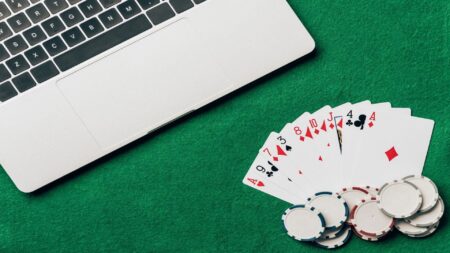
Today, the high-roller glam aesthetics gaining traction on popular social media sites highlight how entertainment culture, luxury imagery and nightlife glamour intersect within online beauty communities.
When you explore these trends, you’ll notice creators often combine shimmering textures, bold color contrasts and dramatic lighting that recalls casino interiors or late-night city scenes.
You might see one influencer pair sparkling eye shadow with vintage cocktail dresses and cinematic lighting, while another blends similar colors into futuristic makeup that reflects neon backdrops and digital art aesthetics.
These shared inspirations give you a creative starting point, so as you try the trend yourself, you can reinterpret it to suit your own style and preferences.
The more you and other users engage with the look, the more the aesthetic expands beyond its original concept, turning into a broader visual conversation about glamour, nightlife imagery and expressive makeup artistry across social media.
Nostalgia, escapism and cultural remixing
Many of the aesthetics circulating across social platforms draw heavily from nostalgia, because you’ll notice digital communities enjoy revisiting older cultural references and interpreting them through modern visual storytelling.
Vintage fashion eras, film aesthetics and literary traditions all provide inspiration that creators remix through filters, music and cinematic editing styles.
Dark academia illustrates this process clearly, because the aesthetic romanticizes intellectual life through tweed jackets, classic novels, dim libraries and gothic architecture.
When you explore these posts, you can feel how the images create a scholarly and dramatic atmosphere, with the visual narrative often turning everyday study sessions into scenes that resemble historical dramas or independent films.
Other trends follow similar patterns while drawing inspiration from different time periods or artistic traditions, so you might notice how Whimsigoth combines mystical imagery with celestial patterns and bohemian fashion, while early-2000s nightlife revivals highlight vintage cameras, flash photography and chaotic party scenes.
Social media culture encourages this type of remixing because you can see creators constantly blending references from music videos, vintage magazines and cinema history.
When you respond emotionally to a particular combination of imagery and storytelling, the aesthetic spreads across thousands of feeds and evolves with each new interpretation and what begins as a nostalgic tribute can gradually transform into a modern creative movement that reflects contemporary digital culture.
The cultural economy of aesthetic communities
Digital aesthetics also intersect with economics and marketing, where brands watch online subcultures closely while searching for early signals of emerging consumer interests.
Fashion labels, beauty companies and lifestyle brands study TikTok and Instagram trends to understand which visual styles resonate with younger audiences.
When a micro-aesthetic gains attention, companies often introduce products, advertising campaigns and collaborations that reflect the visual language of that community.
You might notice familiar color palettes, styling choices or narrative themes appearing in marketing materials soon after they gain popularity within social feeds.
At the same time, many digital communities remain thoughtful about consumption and creative independence, with some creators actively encouraging sustainable habits within aesthetic culture.
A movement known as “underconsumption core” promotes reusing clothing, repairing household items and celebrating personal creativity without constant purchasing.
This perspective resonates with audiences who feel overwhelmed by influencer marketing and rising living costs.
Social media, therefore, hosts two parallel conversations, where aesthetics inspire product design and brand storytelling while communities also advocate thoughtful creativity and resourcefulness.
When you explore different aesthetic communities online, you witness a dynamic exchange between cultural expression, digital identity and the shifting economics of internet creativity.