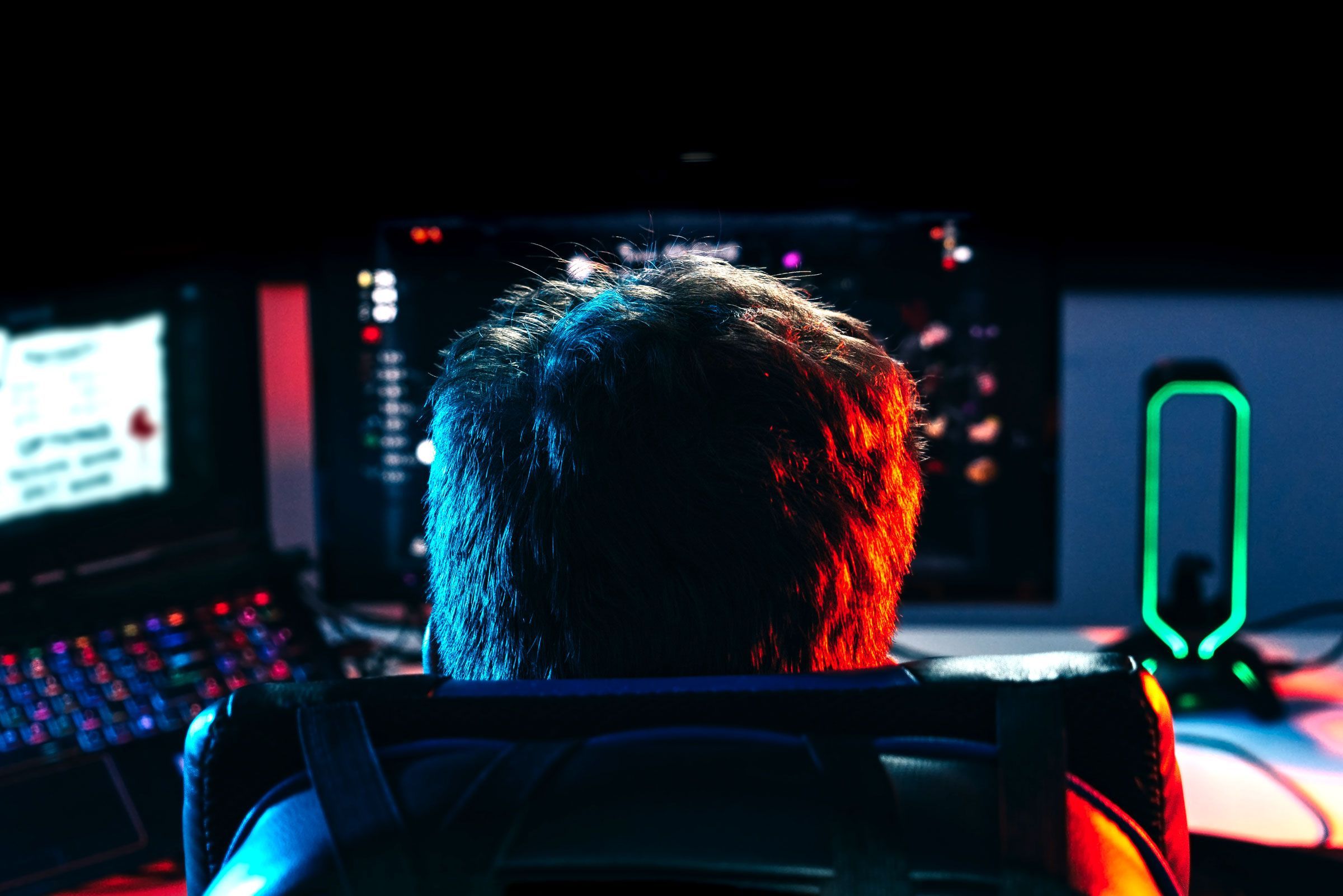
A new wave of Twitch creators is experimenting with ways to merge gameplay and small-scale wagers. These “challenge streams” blend humor, timing, and interaction into a fast-moving spectacle where every decision, every reaction, feels heightened. The result is an atmosphere that’s part competition, part performance, and entirely unpredictable.
The Crypto Edge
The streaming shift mirrors a wider change across esports and online play. New hybrid platforms now mix tournament-style betting, in-game prediction markets, and tokenized prize pools that reward both skill and participation.
Crypto sportsbooks are experimenting with live odds for competitive titles, while fantasy-league integrations let fans stake on performance metrics in real time.
In that landscape, bitcoin casinos stand out for bringing the same instant pace to traditional gaming, offering clear rewards and smooth btc withdrawals that keep action moving without delay.
This new infrastructure fits the tempo of streaming culture. Fast settlements, transparent ledgers, and frictionless access allow players and creators to sync engagement with gameplay instead of waiting on back-end systems. It’s a loop built on immediacy — stake, result, reaction — in minutes rather than hours.
As blockchain-backed betting expands, the connection between live streaming and digital wagering tightens. The same tools driving innovation in esports betting now underpin the rhythm of challenge streams — fast, reactive, and designed to keep audiences locked in.
From Gameplay to Gamble Show
It often begins with something small. A streamer deep into a gaming session throws out a quick challenge — a coin flip, a self-imposed dare, or a wager that they’ll pull off an unlikely move. The audience reacts instantly, flooding the chat with emotes, predictions, and comments. What used to be a standard playthrough suddenly turns into a moment charged with tension.
The bets aren’t on casino games but tied directly to the action on-screen. It might be whether a player wins within a time limit or achieves a certain streak.
It’s the thrill of chance layered onto skill. Viewers become participants, shaping the rhythm of the stream with suggestions and reactions of their own.
Some creators use small digital tokens or in-platform currencies to make the experience more interactive. Stakes stay low, but frequency is high. The tension builds quickly and fades just as fast, keeping everything dynamic. What matters isn’t the payout — it’s the suspense and the shared rush that keeps the stream alive.
Why It Works: Drama, Agency, and Viral Hooks
Challenge streams thrive on shared unpredictability. The audience doesn’t just watch — they follow the wave. Every reaction, every surprise win or near-miss, becomes a communal moment. The emotional investment grows when the crowd feels part of the outcome.
This interaction creates instant feedback loops. When the streamer takes a risk, chat lights up. When luck flips, clips spread across social feeds within minutes. The momentum feels organic, fueled by timing and reaction. Viewers suggest new challenges, push the boundaries, and celebrate together in real time.
From a content perspective, every wager becomes a highlight. A failed attempt, a comeback, or a chaotic turn can all become viral moments that shape a stream’s identity. The format sustains itself — drama without scripting, engagement without force.
Platforms Push Back: Where’s the Line?
As these hybrid formats grow, platforms have started drawing lines. Twitch has restricted unlicensed gambling content, aiming to keep betting-based entertainment under control. But challenge streams often remain in a gray zone. They don’t promote external casinos or paid links; they use chance-based moments as performance, a narrative twist rather than a monetized system.
Because of that nuance, enforcement becomes complicated. The activity blurs definitions — is it gambling or spontaneous competition? For many creators, the answer doesn’t matter. The appeal lies in the tension, not the payout.
Some streamers have tested alternative platforms with looser moderation, while others tweak their challenges to stay within community rules. The format adapts quickly, shifting in real time with each new guideline or crackdown.
Platforms are cautious. Challenge streams boost engagement and watch time — metrics no platform wants to lose. Moderation teams monitor closely, but enforcement remains selective. For now, the format exists in a gray zone — too engaging to ban outright, too unpredictable to ignore.
Notable Faces, Quiet Evolution
Several known streamers have explored these formats, mixing in small wagers or chance-based goals during regular content. It’s rarely the main focus — more like a spark between segments, adding friction and flavor to the flow.
These creators know the limits. They play with structure, language, and pacing to keep the energy high without crossing lines. For them, the challenge isn’t only in the wager — it’s in balancing tension with compliance, risk with entertainment.
Even smaller channels are experimenting. The appeal is clear: instant engagement, faster pacing, and an easy route to shareable highlights. As attention spans shrink, the format’s quick rhythm feels built for now.
Behind the spotlight, production values are climbing. Some streamers add sound cues, countdown graphics, or sharp transitions to amplify suspense. The setup now often resembles a live show more than a casual stream — focused, tense, and made for replay.
The Takeaway
Challenge streams are becoming a defined format — a mix of interaction, suspense, and digital performance. They thrive on community energy, not monetary stakes. What began as casual dares has grown into a fresh form of live entertainment where every moment feels unscripted and charged.
As platforms refine their boundaries, creators continue to experiment, chasing that balance between play and performance. Betting becomes backdrop, a narrative tool rather than a goal. And in that shift, live streaming itself evolves — from passive viewing to collective participation.
The future of this space isn’t about who wins or loses. It’s about how tension, creativity, and connection can turn even the smallest stakes into something unforgettable.
The movement shows no signs of slowing. With technology advancing and audiences craving immediacy, more creators are folding real-time interaction into their formats. The result is a new kind of digital arena — one where timing, trust, and audience chemistry matter as much as the game itself.