

Using AI-powered tools like Adobe Express to generate your AI flyer or posters changes your creative process, especially while traveling or at a café. While public Wi-Fi is convenient, it poses serious security risks.
As you design your AI flyer, remember that showcasing ideas can expose private business or personal info to cyber threats. This guide helps you maintain productivity and safety while making AI flyers on public networks.
Learn to navigate these risks while staying creative and secure during your travels.

How to generate your AI flyer using public Wi-Fi safely?
Learn how to stay productive while designing AI flyers on the go without compromising your privacy or security.
The Dangers of Public Wi-Fi: A Goldmine for Cybercriminals
Airport lounges, cafés, hotels, and train stations often have public Wi-Fi networks, but they don’t always have excellent security. This setup makes them an accessible target for hackers who want to get into your data, whether it’s a business plan, a personal project, or your login information.
Some important risks to consider include:
Data interception occurs when hackers use sniffing tools to capture unencrypted data between your device and the Wi-Fi access point.
If they place themselves between you and a website, they can steal or alter your information. Account breaches pose a significant risk, especially to sensitive logins such as Adobe Express or cloud storage, particularly on public Wi-Fi.
Before engaging in online activities, it’s crucial to implement robust security measures.
What are the dangers of using public Wi-Fi for creating AI flyers?
Public Wi-Fi can expose your flyer designs and login details to hackers who intercept unprotected connections.
VPNs, HTTPS, and intelligent browsing are some of the most important tools.
VPN, or Virtual Private Network,
A VPN protects all of your online communications by encrypting the data you send and receive and creating a safe tunnel for your internet activities.
A VPN serves as your last line of defense on crowded Wi-Fi networks, ensuring that anyone who tries to steal your data will only create chaos.
How can a VPN protect your AI flyer design on public networks?
A VPN encrypts your data, shielding your design process and login credentials from cybercriminals.
Use HTTPS to protect your connection:
Check for a padlock icon next to the URL to make sure the website is safe with HTTPS. This protocol safeguards the shared information, providing an essential layer of security for your design work.
Reliable browsers:
Brave and Opera are two of the best browsers to use because they have strong privacy features. They stop trackers and harmful scripts that could put your device at risk or make your work public.
Why is HTTPS essential when designing with AI tools online?
HTTPS ensures your data is securely transmitted, protecting every flyer you create and share.
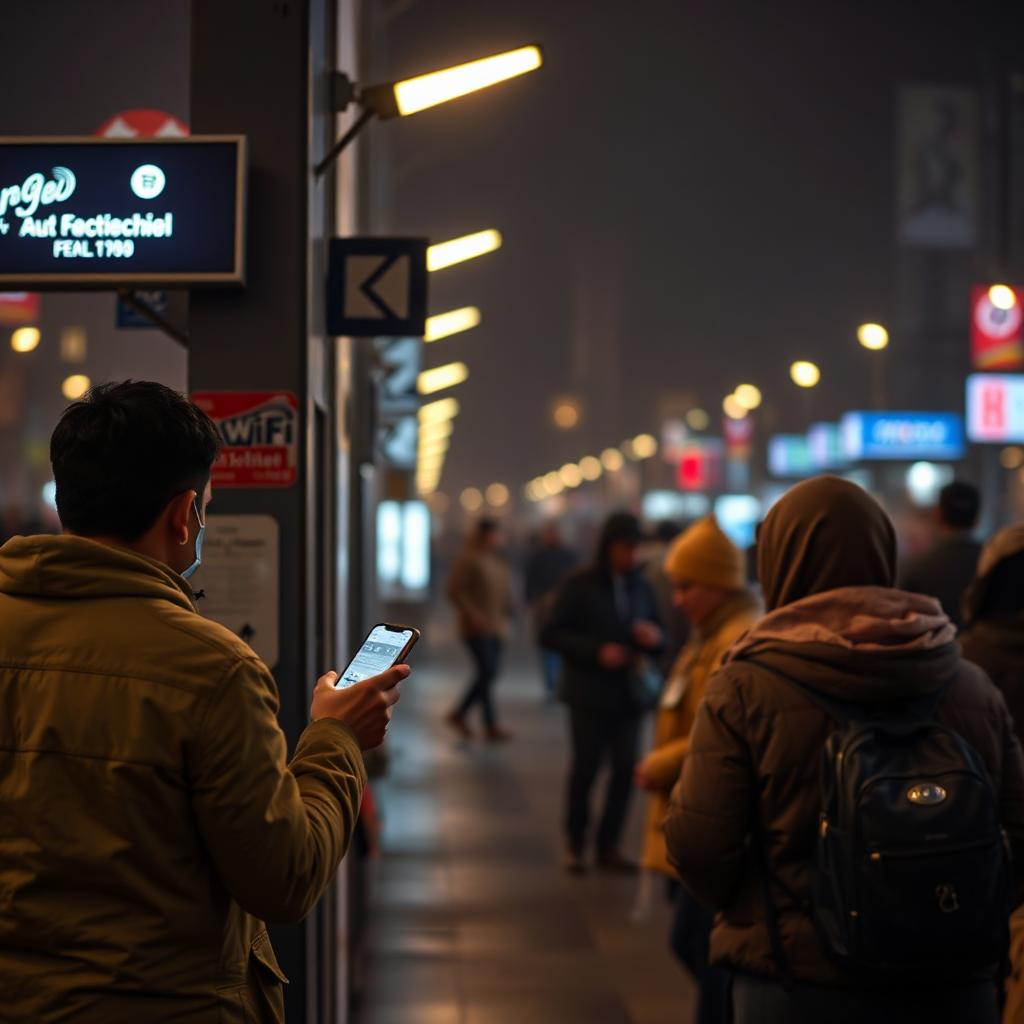
Find out how to use public Wi-Fi safely to get to Adobe Express and make your AI flyer.
To use Adobe Express securely, ensure your VPN (like NordVPN) is on before connecting to Wi-Fi for IP protection. Opt for a privacy-focused browser in incognito mode and verify the site address begins with https://. Create a strong, unique password for Adobe Express and enable two-factor authentication (2FA) for security.
Use AI tools to select templates for flyers, saving your work in cloud storage (Google Drive, Dropbox) with encryption and 2FA. After creating, log out and disable your VPN. Avoid downloading files directly to your device; rely on cloud storage.
Share your flyer carefully to mitigate risks on public Wi-Fi.
What are the safest browsers for making an AI flyer?
Privacy-focused browsers like Brave or Opera block trackers and harmful scripts, adding an extra safety layer.
How to securely log in and save your AI flyer on cloud storage?
Use strong passwords, enable 2FA, and store your work in encrypted cloud services for maximum protection.
The most secure methods for exporting are as follows:
- Store your final design safely in encrypted cloud services that require two-factor authentication.
- Make encrypted links or use secure messaging apps that offer end-to-end encryption to share.
- Don’t save copies directly to shared devices or drives that aren’t secure.
- Focusing on these important but small steps will help you keep your creative flow going while also protecting your privacy.
What is the safest way to share your AI flyer over public Wi-Fi?
Share only through encrypted links or secure messaging apps, never directly on shared devices.
Important Advice for Protecting Your Work and Privacy in the Great Outdoors
Create strong passwords for your Adobe, cloud, and Wi-Fi accounts using long, complex combinations. A password manager can help you manage these. Ensure your device’s software and browsers are consistently updated, as outdated systems are vulnerable to cyberattacks.
This practice enhances your content security. Disable auto-connect on devices to prevent automatic Wi-Fi connections, and manually connect to trusted networks while using a VPN for added security.
Monitor your network’s performance for unusual behavior, which may indicate risks. Enable two-factor authentication for email and cloud accounts for further protection against unauthorized access.
Avoid public or shared computers; always use your device with proper security settings for sensitive work.
Which security practices protect your creativity on the go?
Keep your devices updated, disable auto-connect, and monitor your network to stay secure wherever you work.
Encouraging a Mobile Mindset for Cybersecurity
Security is an ongoing concern that should be considered whenever you work or create. Using VPNs, ensuring HTTPS is active, and enabling 2FA can enhance your digital safety. With robust security, you can fully enjoy your adventures, pursue creativity, and have fun without the fear of digital threats.
Committing to these habits will simplify your projects, ensuring you prioritize online safety while embracing spontaneity and exploration.
At the end of the day, be creative and put safety first.
You can create your AI flyer on any public Wi-Fi, whether at an airport, café, or hotel lobby. Follow these steps to protect your data, maintain privacy, and ensure a smooth creative process.
When starting a project outdoors or in transit, planning is key. Use strong passwords, check for HTTPS, and store files in encrypted cloud storage for a secure connection.
These precautions will help safeguard your work, allowing you to enjoy your independent, adventurous life without tech worries.
FAQ’s
Q1: Is it safe to make an AI flyer while on public Wi-Fi?
Yes — if you use a VPN, confirm HTTPS is active, and follow security best practices, it can be done safely.
Incognito mode hides activity locally but doesn’t protect your data unless paired with VPN and HTTPS.
Q2: Which VPNs are recommended for public Wi-Fi flyer creation?
NordVPN, ProtonVPN, and ExpressVPN are fast, secure, and reliable options for protecting your work.
Q3: Does incognito mode keep my flyer design private?
Not entirely — it hides browsing locally but doesn’t encrypt data, so always combine it with VPN and HTTPS.
Q4: How important is two-factor authentication for design tools?
Very important — 2FA adds a second layer of protection, making unauthorized access much harder.
2FA adds a critical second layer of security, making unauthorized access nearly impossible even if passwords leak.
Q5: What’s the safest way to store my AI flyers?
Encrypted cloud storage services like Google Drive, Dropbox, or iCloud with 2FA are the most secure.
Conclusion: Key Takeaways for Designing AI Flyers Safely on Public Wi-Fi
- Public Wi-Fi is risky — hackers can intercept data, steal logins, and compromise your flyer projects if you’re unprotected.
- Use a VPN — encrypts your connection and keeps your design process secure even on open networks.
- Check for HTTPS — always ensure the padlock icon is present before logging in or uploading files.
- Choose privacy-first browsers — tools like Brave or Opera block harmful trackers and scripts.
- Secure your workflow — enable two-factor authentication (2FA), create strong passwords, and save files in encrypted cloud storage.
- Share flyers safely — use encrypted links or secure apps instead of saving to shared devices.
- Stay proactive — keep software updated, disable auto-connect, and monitor for unusual network behavior.
- Adopt a mobile mindset — cybersecurity habits should travel with you, keeping creativity safe wherever you go.
By combining creativity with smart security practices, you can design AI flyers confidently — whether you’re in a café, airport, or hotel lobby.
